Ms. Teresa, I'd like to have some of the seeds you offered on last Tuesday's program 22 May, 2012.Also, do you know a natural bug deterrent to enjoy outdoor backyard. I've read that rosemary is a good deck/patio plant.Thanks for your show, In Your Backyard.LinnettLinnett,
Please send me your home address so I can send the rain lily seeds, too.
There really is no vegetative bug deterrent for mosquitos. Rosemary has flowers that can attract bees so I don't see it as a "bug deterrent." But rosemary is a wonderful fragrant plant for a deck container. Mosquitos need water to lay eggs, so I would make sure there is no standing water anywhere in your backyard vicinity. including bird baths, mulch, gutters, pots, children's toys. DEET is an excellent, safe product to repel mosquitos.
Mosquito myths
Mosquito repellents
Thank you for writing and listening to the show!Teresa
Showing posts with label containers. Show all posts
Showing posts with label containers. Show all posts
Sunday, June 10, 2012


Thursday, April 12, 2012

Monday, July 25, 2011
Summer Containers That Beat The Heat

Creating beautiful pockets of color for your yard is easy when you select the right plants and containers. Choosing a container is not only about aesthetics but also about your landscape maintenance style. Are you someone who loves pottery full of flowers but you don't have irrigation to the pots or want to worry about watering every day in the summer heat? Then select a ceramic or plastic container and using a potting soil with water holding materials like coconut fibers or polymer water balls that will allow soil to hold onto moisture longer. Clay pots dry out very quickly and depending on the plant species used will need watering every day. For succulents and cacti, clay pots are very appropriate.


Mix annuals, perennials, succulents, herbs, and even small trees in your container, making sure they all have the same sunlight and soil conditions.. Select three to five plants that will give you vertical (height), horizontal (width) , and depth (hanging below the pot's top edge). Vary the foliage types with spikes, succulent vines, or soft velvety leaves. Use the color wheel approach to match your flowers and foliage with your choice of container.

Complete your containter by adding Spanish or sphagnum moss to fill in any bare areas to create more interest. If you are collecting Spanish moss from your yard and want to use it indoors or on a patio, dry it out and kill any insects or mites first by microwaving for one to three minutes before adding to your creation.


Keep an eye on your plants for the first couple of weeks to ensure that it is getting enough rainfall or water to beat the heat.
Some ideas for great plants to use in containers for full sun outdoors:
- African bush daisy, Gamolepis chrysanthemoides
- Ice plants, Aptenia spp.
- Osteospernum, Osteospermum spp
- Ageratum, Ageratum spps.
- Blanket flower, Gaillardia pulchella
- Bulbine, Bulbine frutescens
- Bluebird vine, Petrea volubilis
- Calendula, Calendula officinalis
- Celosia, Celosia spp.
- Common yarrow, Achillea millefolium
- Firecracker flower, Crossandra spp.
- Firecracker plant, Russelia equisetiformis
- Gazania, Gazania spp.
- Gloriosa lily, Gloriosa superba
- Showy stonecrop, Sedum spectabile
- Ornamental potato vine, Ipomoea batatas
- Jewels of Opar, Talinum paniculatum
- Lavender, Lavandula dentata, Lavandula stoeches
- Million bells, Calibrochoa spp.
- Society garlic, Tulbaghia violacea
- Whirling butterflies, Gaura lindheimeri
- Zinnia, Zinnia spp.
Tuesday, August 24, 2010
Lechuza, A New Choice For Garden Containers
 Choosing garden containers for Florida's hot summers takes some forethought if you're going to be sustainable and keep your plants thriving.
With our high evapotranspiration in our subtropical and tropical climate,and if they choose a clay pot or a planter that allows the soil to dry out quickly, Florida gardeners can find themselves watering their container gardens once a day. But new European designed pots may be the secret to never having to be afraid to leave your flowers in your container gardens high and dry.

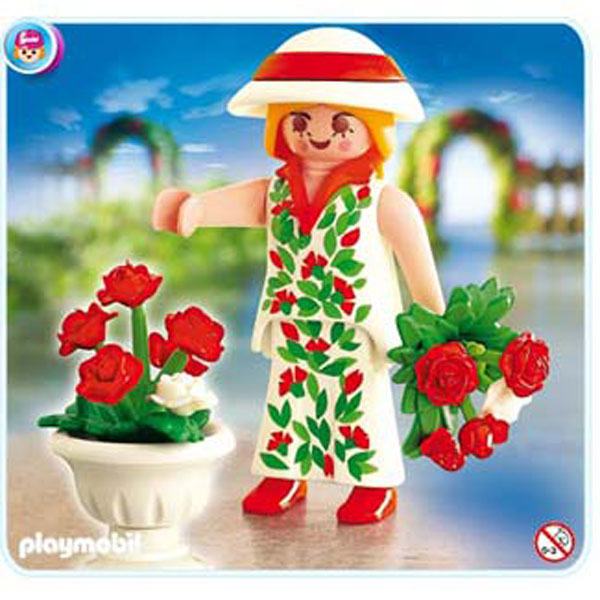
Lechuza, a division of Playmobil, a worldwide corporation and yes, the maker of world-famous traditional children's toys, has created an intelligent self-watering planter for container gardens inside and outside your home.

Using the plant's natural root growth to create a sub-irrigation system of wicking water up through the plant's root system, Lechuza planters outdoors can depend on rainfall during Florida's rainy season without worrying that your container gardens will need constant attention. Establishing your plants first before leaving them to Mother Nature is critical but once that is done, Lechuza planters seem to be very low maintenance and water conserving.

The Lechuza Factory Outlet in Palm Beach Gardens, Florida has a wide array of modern and cottage containers to choose from. All of Lechuza's self-watering planters come with a pure mineral alternative to soil called Lechuza-Pons, an organic plant substrate created with pumice, zeolite, lava, and fertilizer. Added either to soil or used alone, Lechuza Pons will help your container plants thrive with little need to worry about fertilizing.
Lechuza's award-winning designs include classical lines, urban design, and cottage simplicity for every garden theme. The planters are made of durable plastic that can withstand heat without fading for a look of elegance for pool patios or your very own backyard botanical garden.
I couldn't resist purchasing a purple Cubico for my beautiful pink and green Calathea. It looks like a piece of furniture in our home and can now look out the window and receive great eastern exposure. Before it was in a porcelain pot placed on the floor. It is thriving with its new container.

Prices range from $30 for interior table top and herb container gardens through $180 for larger containers suitable for palms and smaller trees.

Pretty impressive for a toy manufacturer. Those of us who have handed down our Playmobil sets to our grandchildren to play with, know what quality toys Playmobil makes. Creating a beautiful, durable self-watering garden container with the same ingenuity and integrity, I'm looking forward to handing down my Lechuza planters to my grandchildren that will hold great memories of gardening with me.
Tuesday, March 30, 2010
In Your Backyard: "April's Colorful Annuals"
Usually in April, Florida gardeners have a short spring before jumping directly into summertime temperatures. This year spring's cooler mornings have lingered and our dry season has been non-existant. I love this time of year and that it is lasting longer is nice.
All your shrubs should have leaves emerging, making it a little easier to see if which plants really didn't recover from the freezes. My variegated hibiscus and vitex agnus-castus survived nicely.

If you haven't pruned your plants back, you still have a few more weeks to cut them back before the stems start to bulk out and become woody. Cut out all the dead branches and if needed a third of the growth to shape.
Annuals to plant this time of year for three to six months of color include:

For less work in the garden but great oomph, place containers and hanging baskets filled with annuals and tropicals in strategic locations along pathways to create points of interest, and to add height and depth.
Place tall tropicals in the center of your container, with another fuller annual along the front and sideviews, adding a different annual, ivy, or groundcover to spill over the sides. Make the taller plant at least two-thirds of your container height for good balance. Make sure that you water container gardens on a regular basis as the temperatures rise. Watering your containers every day in summer is not unusual, which is the reason you should have just a few containers - not an entire yard of annuals.
Here are some great examples of container gardens for your yard. These photographs were taken in 2007 at EPCOT, the ultimate gardening experience during their International Flower and Garden Festival. Notice the color combinations! Don't be afraid to experiment before you buy your annuals. Place them in pots or on the floor together to get an idea of what they will look like in your own container. Don't be afraid to move them around.


All your shrubs should have leaves emerging, making it a little easier to see if which plants really didn't recover from the freezes. My variegated hibiscus and vitex agnus-castus survived nicely.

If you haven't pruned your plants back, you still have a few more weeks to cut them back before the stems start to bulk out and become woody. Cut out all the dead branches and if needed a third of the growth to shape.
Annuals to plant this time of year for three to six months of color include:
Ageratum, Cosmos,gazania, gaillardia, gerbera, globe amaranth, hollyhocks, impatiens, marigold, Mexican sunflower, moonflower, morning glories, nierembergia, portulaca, purslane, salvia, sunflower, torenia, verbena, and zinnias.

For less work in the garden but great oomph, place containers and hanging baskets filled with annuals and tropicals in strategic locations along pathways to create points of interest, and to add height and depth.
Place tall tropicals in the center of your container, with another fuller annual along the front and sideviews, adding a different annual, ivy, or groundcover to spill over the sides. Make the taller plant at least two-thirds of your container height for good balance. Make sure that you water container gardens on a regular basis as the temperatures rise. Watering your containers every day in summer is not unusual, which is the reason you should have just a few containers - not an entire yard of annuals.
Here are some great examples of container gardens for your yard. These photographs were taken in 2007 at EPCOT, the ultimate gardening experience during their International Flower and Garden Festival. Notice the color combinations! Don't be afraid to experiment before you buy your annuals. Place them in pots or on the floor together to get an idea of what they will look like in your own container. Don't be afraid to move them around.


Subscribe to:
Posts (Atom)