Showing posts with label cottage gardens. Show all posts

Wednesday, May 29, 2013

Creating A Florida Cottage Garden

This is an article I wrote and published on ICanGarden.com Aug 2007, that I've updated and added new landscape photographs. Enjoy.


College Park, Orlando Florida Cottage Garden
 

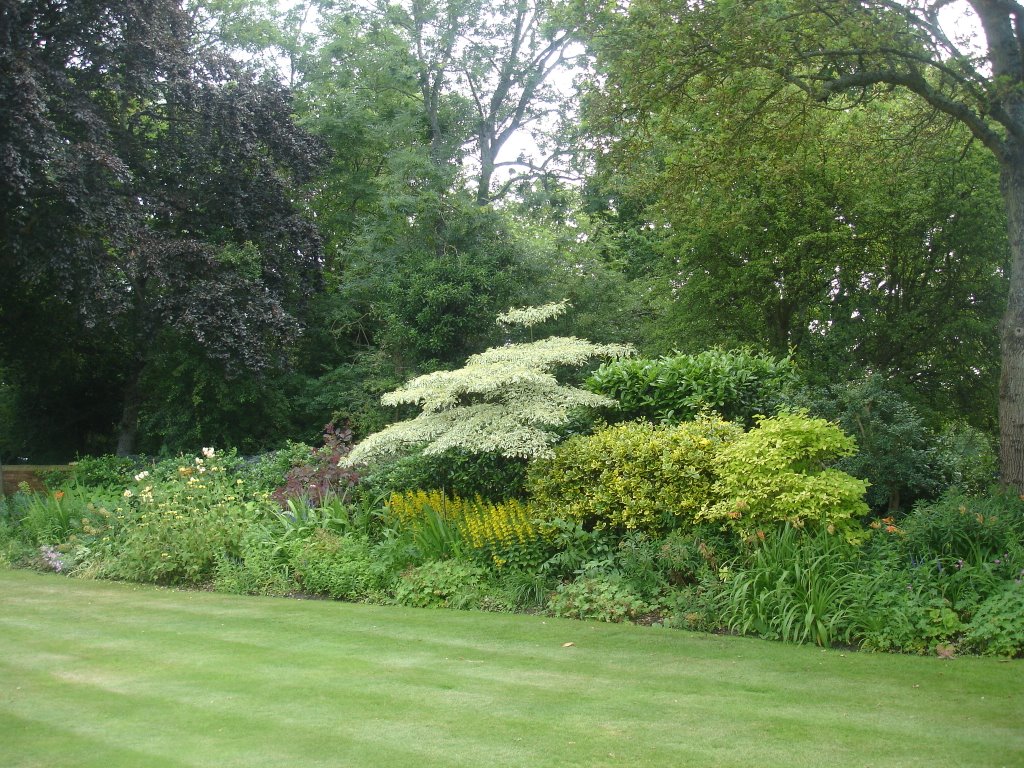
     Whether you are a gardener or not, strolling along a meandering pathway through fragrant rainbow-bannered flowerbeds, dappled with ‘out of the ordinary’ ornamental surprises around various twists and turns, is one of the most delightful experiences anyone can have. Texture, variety, fragrance, color and serendipitous opportunities in English cottage gardens provide a memorable and soulful experience for the neophyte green thumb and expert landscaper alike.

     A beginning gardener can be overwhelmed and only imagine the hard labors that the cottage gardener went through while designing. The Master Gardener knows how many hours and years of sweat and preparation it took to eventually produce such an exquisite yet chaotic fantasy-filled garden. Cottage gardens first appeared as necessary areas on farms to grow herbs and vegetables for individual tenants who worked the vast farms. As the peasant began to rent or  own their land, the natural extension of planting flowers and adding beauty also extended to the cottage’s surrounding foundation.  European cottage gardens have an aesthetic appeal that to most people it looks like every plant, flower, and visiting creature just happened to appear on its’ own naturally. The gardens seem to just sprung up without any apparent design and happen to thrive in cooler climates; but with a little research and planning on your own zone and microclimates, you too can have a beautiful, simple, low maintenance cottage garden in Florida. 
 
The first step in planning a cottage garden is to understand what they are. Cottage gardens are to landscapes what George Seurat’s pointillistic paintings are to art. Some artists, like Paul Signac, during Seurat’s lifetime considered his paintings ‘messy’ and complicated but his critique of his final completed artwork was that Seurat’s paintings were masterpieces. These paintings incorporated minute individual dots blending a variety of shades and colors in harmonizing sweeps to create natural compositions and display scenes or events that when viewed as a whole were stimulating and filled with energy.

English cottage garden.
 
     Cottage gardens, can look messy, weedy, chaotic on your nerves, and be hard to keep under control; but if planned correctly from the beginning, they can be breathtaking, attractive, low-maintenance, eco-friendly gardens, where earth’s creatures can feel invited, relaxed and welcomed. Cottage gardens need to be well thought out though in the planning stages as to your ultimate purpose in having it as a landscape. Whether it is attracting birds and butterflies, having a cutting garden to enjoy flowers indoors, or using your yard to have a colorful xeriscaped lawn with low-maintenance in mind, your cottage garden can have one or all these goals incorporated in one landscape design.

Florida cottage garden

     Once you have established your goals, you can begin to select the design shape and your palette of plants. Here in Florida, many new residents pine for their Northern gardens and automatically assume that they cannot have them with our tropical climate. Au contraire,  gardening enthusiasts — once you know the plant species you would like to use, then select a similar tropical zone shrub or flower to plant in its place! Take any zone landscaping design and their plant list, find those individual plant specifications of mature height, flower color, leaf texture, sun and moisture needs and then imitate those same requirements with a Florida-hardy plant. Take for example northern lilacs: Lilacs are sumptuously tall, fragrant with flowers that herald in springtime up north. Lilacs do not grow in zones 8b through 11b, but if you research Florida gardening books, or ask your favorite Florida Master Gardener, you will find that butterfly bushes, buddleia spp., resemble lilacs, come in multiple colors, and lend height to your garden beds. They are also fragrant and attract butterflies, as the name honestly implies.


Butterfly Bush, Buddleia spp. 'Lo and Behold'


      Another favorite Florida tree that can substitute for lilacs is the non-native crape myrtles, with dozens of colors, heights and blooming seasons. Crape myrtles love the sun, are drought tolerant once established, and need very little maintenance, not even yearly heavy pruning.


Rain lilies
Zephyranthes spp. in my yard. 

Rain lilies in my yard

       Cottage gardens in the springtime have a variety of colorful, blooming bulbs, like the beautiful crocus. Floridians can enjoy springtime blooms all summer long if they plant pink, white, or yellow rain lilies, zephyranthes spp instead.  Immediately after a rainstorm, these sweet flowers pop up without cajoling to naturalize in your landscape, having no pest problems and needing no maintenance. They truly reflect a joyful English albeit tropical cottage landscape.

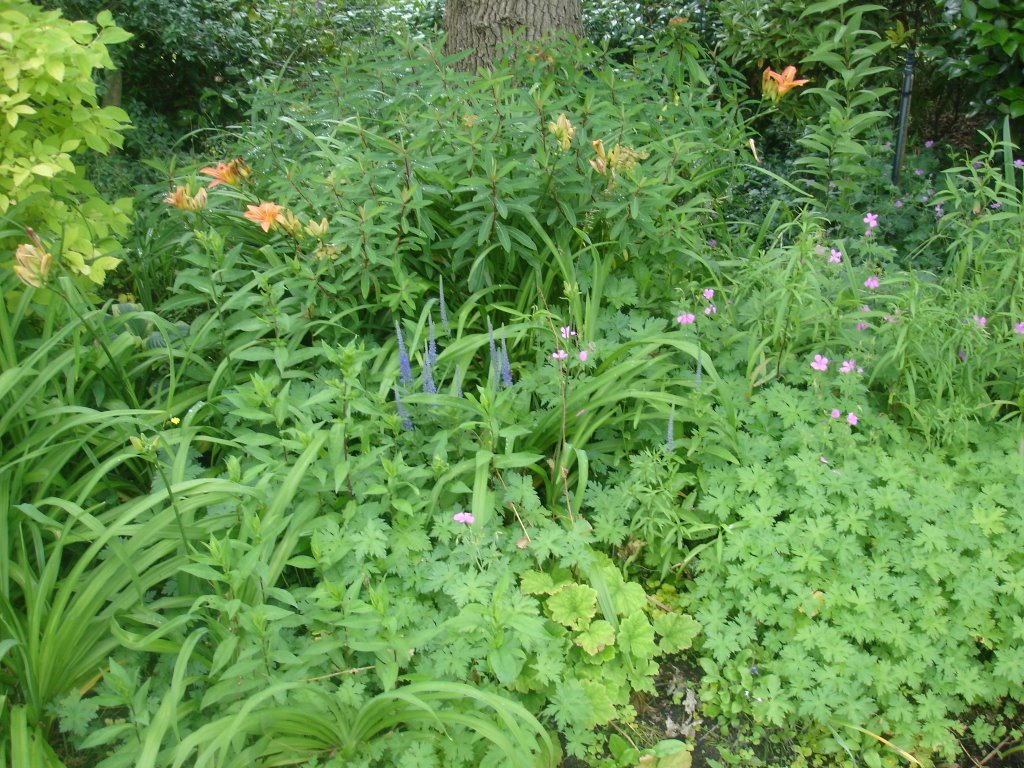
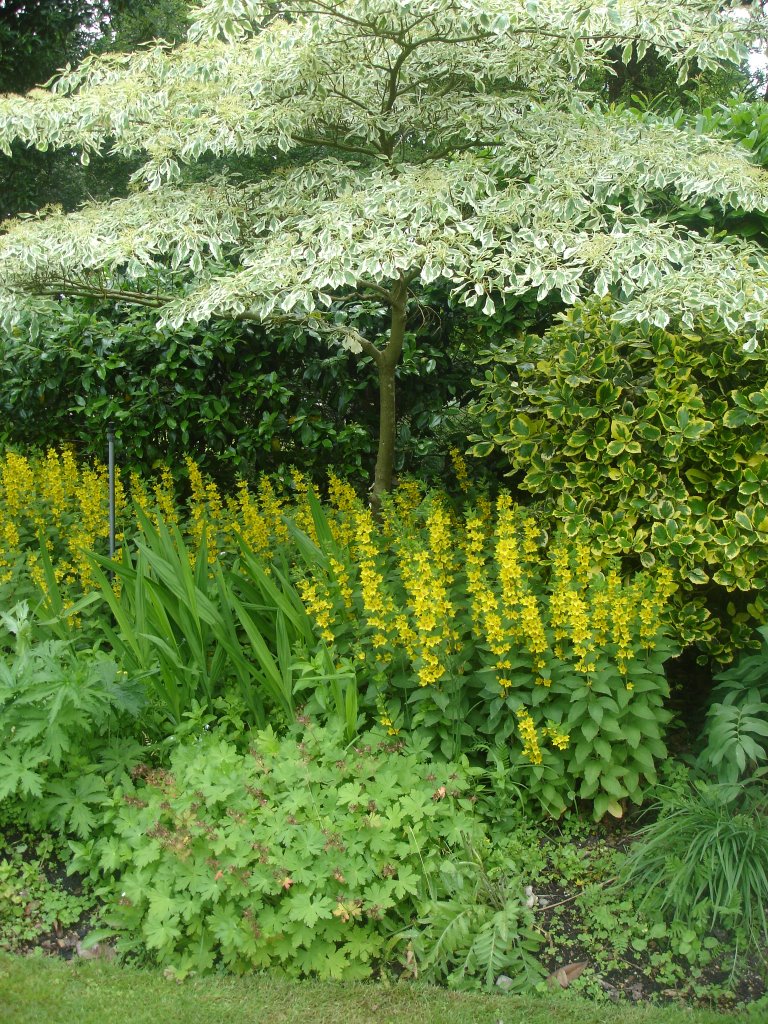
      To create the flowing shapes and textures found in cottage garden designs, incorporate flowers and shrubs that easily self-seed so that the plants volunteer the next season in other areas.  Sprinkle any flowers that you deadhead throughout the seasons into beds that you would like the plants to spring up. Use specimen and foundation plantings sporadically in the center or back of any border gardens to create depth and height. A specimen planting is the use of a single shrub, tree, ornamental grass, or topiary that is striking in foliage or flower color, shapes, unusual foliage texture, and adds height such as a multi-level pruned shrub.    The longer your cottage garden is, the more specimens you can use, but remember: the smaller the garden area, frugality in the amount of specimens is better. 
 
     Cottage garden flower colors range from assorted rainbow colors or your favorite monochromatic color, such as all blue flowers and blue-hued leaves, or an all-white garden popularized by Vita Sackville-West at Sissinghurst Castle.  Even though the Sissinghurst ‘White Gardens’ had a singular color name, Vita employed various shades of creams, greys, and lighter green flowers and plants into the garden.

Formal cottage garden
When planning your cottage garden, use the amount of plants based on their mature width. This is not the time to plant every inch of your landscape. Allow the garden to fill in naturally over a few years.  If you overplant with lots of high maintenance flowers, shrubs, and trees, you will find yourself with a lot of pruning, frustration, and possibly removing these same plants in the future. As your cottage garden matures, you can always fill in seemingly empty nooks and crannies with annuals, summer bulbs, and groundcovers.
 
Stones add the perfect cottage touch.
 
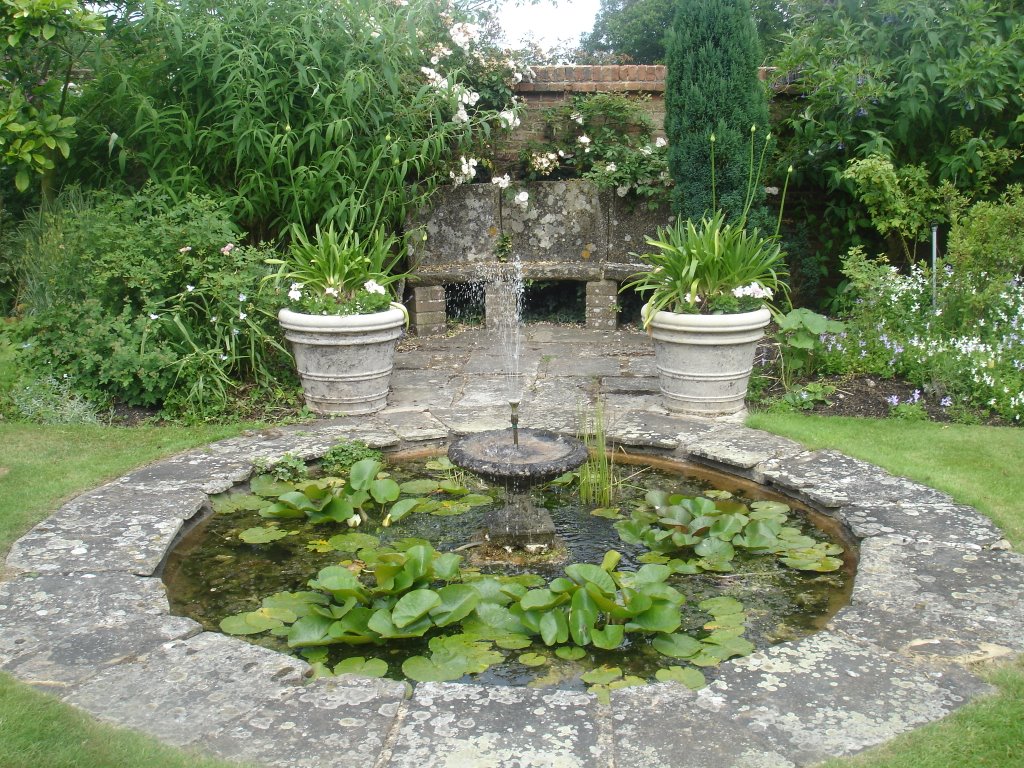
     Finishing your cottage garden setting, you may want to add stones or pavers to allow for a pathway or as hardscape borders.  Classic accoutrements such as bird baths, obelisks, water fountains, whimsical bird houses or garden signs can be added.
 
     Despite all the planning, substituting your own Florida native and non-native species, and knowing what conditions you are working with, creating a cottage garden should be free-flowing, spontaneous, and unique. Understanding the basics of cottage gardening, you can now go through any gardening book, magazine, or your favorite website, and no matter what zone they are designed for and with their plant palette, substitute your own Zone 8 –11 plant favorites, with similar colors, heights, flower and leaf shapes, that match your sunlight, soil moisture, growth needs for your own personal landscape design and presto — you will have your own individual Florida cottage garden.
 

Interest on every level.
Resource to find the perfect plants for your yard?  
Florida Waterwise Landscape Database http://www.sjrwmd.com/waterwiselandscapes
Teresa Watkins, Photographer All Rights Reserved 2013

Monday, September 19, 2011

Art In The Garden Tour


What a great time on Saturday with Leesburg's Center for the Arts fundraiser: "Art in the Garden."   The event hosted a tour of gardens with talented local artists inspired by the surrounding landscape. I was able to hitch a ride with four lovely ladies in proper hats, winners of the "grand tour" which featured driving to each home in a white limousine that had champagne and chocolate wine.

Starting at Simon Seed Nursery in Leesburg,co-sponsor of the "Art in the Garden," the tour visited five homes with birds, creative landscapes, lakefront views, and fabulous paintings.

I tried to take as many photographs as I could even though I was pointing out great plants everyone should have in their gardens as well as naming species.


The highlight was a delicious brunch served at Leesburg's Center for the Arts Gallery on Main Street with special guest, Rosarian extraordinaire Mark Nelson, of Nelson's Roses fame. 

What a great time I had and I'm marking my calendar for next year's Art in the Garden! 


Art in the Garden

Sunday, July 10, 2011

Updated - Don't Eat Your Vegetables In The Front Yard!

UPDATE:
I wrote an in-depth article on Edible Landscaping for Green Builder magazine on "Edible Landscaping 02" pages 31 - 37.

7/18/11 Update: Drudge Report is now reporting that the city of Oak Park, Michigan has seemingly dropped the anti-veggie fines but now wants to impose an unlicensed dog fine equivalent to the same fine and incarceration time. Sounds like a vendetta to me...

After Oak Park City failed in its bid to charge Bass with violating a local ordinance for using her front garden to grow organic vegetables, no doubt put off by gargantuan media attention on the case, they are now pursuing Bass for a similarly ludicrous misdemeanor that carries an identical penalty, 93 days in jail, for owning unlicensed dogs.


However, Bass’ dogs are fully licensed, the city is merely reinstating an earlier charge that Bass has already complied with.

7/15/11 Update: The city of Oak Park, Michigan is delaying any further action on the Bass's front yard vegetable garden.

7/11/11 Update:
My interview this morning with Julie Bass on WLBE 790am (My790am.com)  was very informative. Not only did Mrs. Bass check with the city of Oak Park, Michigan regarding any ordinances restricting raised beds, they told her there should be no problems if she did it. There is Michigan legislation that protects people who want to grow their own food.
And he gave it for his opinion, that whoever could make two ears of corn, or two blades of grass, to grow upon a spot of ground where only one grew before, would deserve better of mankind, and do more essential service to his country, than the whole race of politicians put together.
- Jonathan Swift, Gulliver's Travels
Has the world gone mad? In an amazing turnip of events, Julie Bass, homemaker, mother of three, and simple gardener, could go to jail for three months for growing vegetables in her front yard. The Oak Park, Michigan resident was only trying to make a sustainable garden out of the front yard that had been demolished by the City of Oak Park utilities fixing the sewer system in the spring. Passers-by admired her efforts. A single complaint from a neighbor not green with envy - but with mean-spiritedness - encouraged the Code Enforcement department to issue a warning to Mrs. Bass to remove the raised beds of warm season annuals and vegetables.  When Mrs. Bass didn't comply, she was issued a ticket and charged with a misdemeanor. She goes to a pre-jury trial on July 26th. 

"In order to live off a garden, you practically have to live in it.
- Frank McKinney Hubbard
The reason for the citation is a code that says a front yard has to have suitable, live, plant material.  Oak Park City Planner Kevin Rulkowski stated: "That's not what we want to see in a front yard."  Is Mr. Rulkowski a horticulturist, landscape designer, or a landscape architect?  Does the City of Oak Park have a horticulturist on staff to help them dig through all the dirt on what is a suitable plant or not?  Is it based on USGBC green certification, best management practices, asesthetics or personal opinion?  Is turfgrass a suitable plant? Are cookie cutter designs a government regulation? Everbody has to have the same landscape?

See Julie Bass's edible front yard here.

Edible landscaping is still a popular gardening trend in the United States with 43% of households surveyed by the Garden Writers Association Foundation planning on establishing a vegetable garden this year. Vegetable gardening is even being encouraged by the White House - why does the City of Oak Park even want to get involved in such a pickle?

 
This is not the first case of gardening interference between a regulating body and residents.  Confrontations between HOA's and homeowners has increased over the last few years with homeowners emboldened by new water conserving ordinances.
I'm interviewing Mrs. Julie Bass on "In Your Backyard" tomorrow, at our new day and time: Mondays at 11:30am to 12:30pm.  Please plan to tune in  about this outrageous attack against individual homeowner's property rights. You can also check out the Bass family's Facebook page: Oak Park Hates Veggies.  You can also sign the Bass's petition to stop the persecution.
 
The word 'vegetable' has no precise botanical meaning in reference to food plants, and we find that almost all parts of plants have been employed as vegetables - roots (carrot and beet), stems (Irish potato and asparagus), leaves (spinach and lettuce), leaf stalk (celery and Swiss chard), bracts (globe artichoke), flower stalks and buds,(broccoli and cauliflower), fruits (tomato and squash), seeds (beans), and even the petals (Yucca and pumpkin).
- Charles Heiser, Seed to Civilization


More with Teresa on edible landscaping: Edible Landscaping: So Good You Can Eat Them Right Up
More resources: 
The garden should be adorned with roses and lilies, the turnsole, violets, and mandrake; there you should have parsley, cost, fennel, southern-wood, coriander, sage, savory, hyssop, mint, rue, dittany, smallage, pellitory, lettuces, garden-cress, and peonies. There should also be beds planted with onions, leeks, garlic, pumpkins and shallots. The cucumber growing in its lap, the drowsy poppy, the daffodil and brank-ursine ennoble a garden. Nor are there wanting, if occasion further thee, pottage-herbs: beets,herb-mercury, orache, sorrel and mallows, anise, mustard, white pepper and wormwood do good service to the gardener.- Alexander of Neckham, Of the Nature of Things, 1187

Thursday, June 21, 2007

Fritham Lodge Takes Guests Back To The 17th Century

How fortunate for my husband, Tony and me to have a sister that loves, breeds, and judges championship Gordon Setters. During our recent trip to Scotland and England, we had the opportunity through an established friendship between dog lovers, my sister Jean, to visit Rosie and Chris Powell's 17th century beautiful estate, Fritham Lodge and Farm in the New Forest.


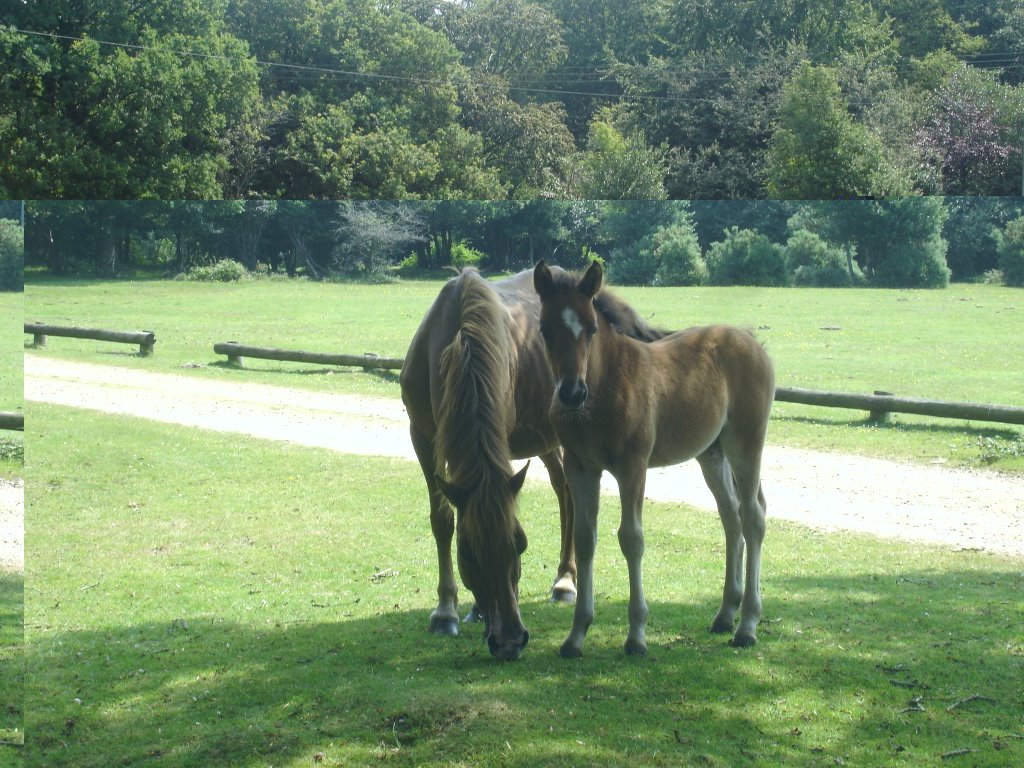
The Powells, now owners of Sky, a gorgeous Gordon setter from Jean Collins' champion Amscot line, reside in the tranquil countryside of their beautifully 17th century home next to incredible gardens, glistening fields, free-roaming donkeys, horses, and cows. Nearby hunting grounds used even today by the British royalty evoke the pasttime of King Henry the VIII and King Charles the I.

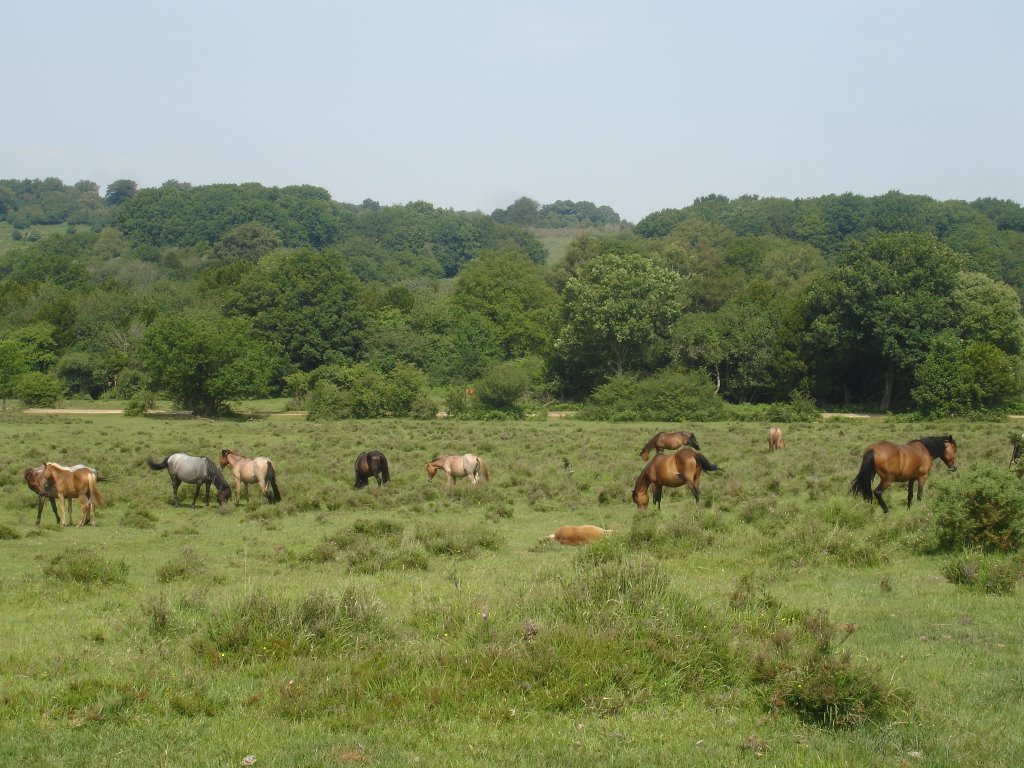
Covering 145 square miles the New Forest is a place of ancient history, fascinating wildlife and stunning beauty. Originally a royal hunting preserve, the thriving working forest that you see today has survived for nearly 1000 years.


The New Forest is 90,000 acres of pristine woodland - home to its famous ponies, five varieties of deer and many other wild animals and birds. Almost two thirds of the New Forest is open to visitors, who can either amble through the heathland and streams, follow mapped-out walks or enjoy horse riding and pony treks. Tucked away throughout the forest are picturesque villages with traditional churches, pubs and quaint shops.


Enroute to Fritham Lodge, Jean was explaining that the New Forest commoners' stock can graze freely anywhere on the property - and they do. We had to wait for the cows to move out of the way before heading on to the farm.

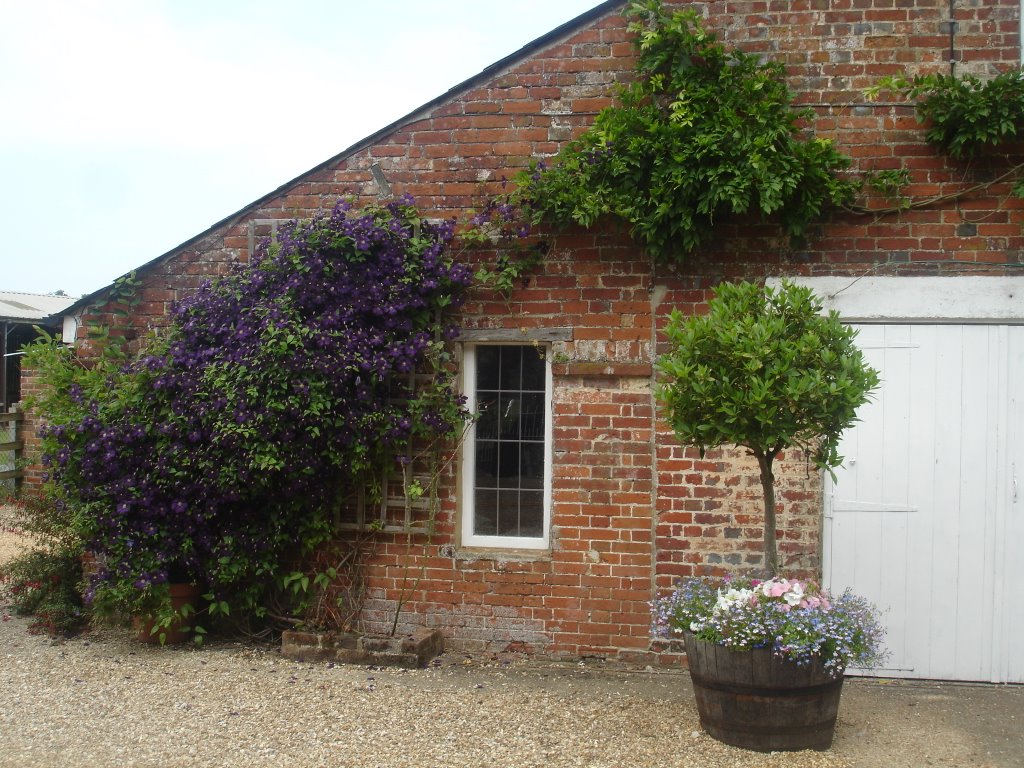
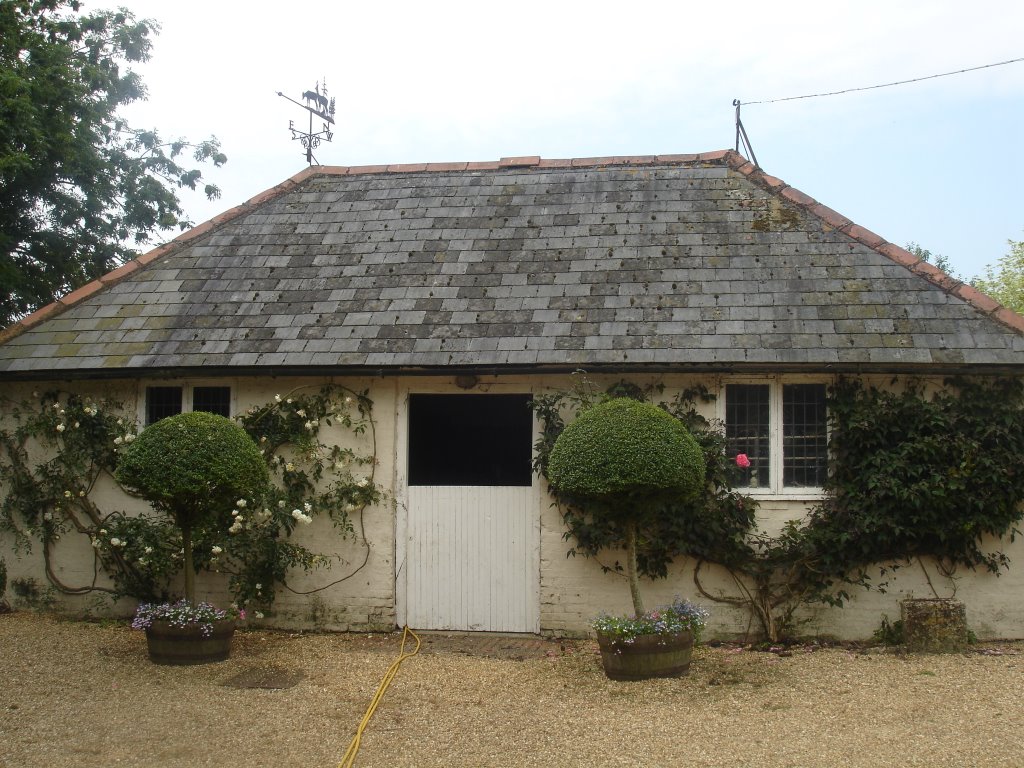
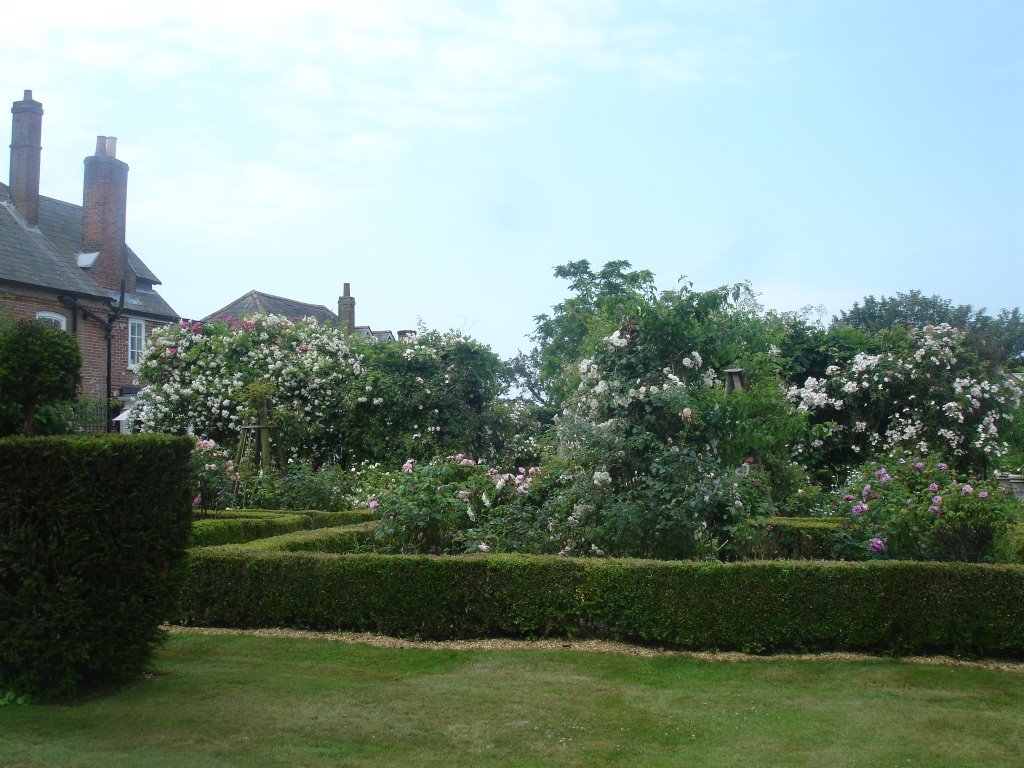
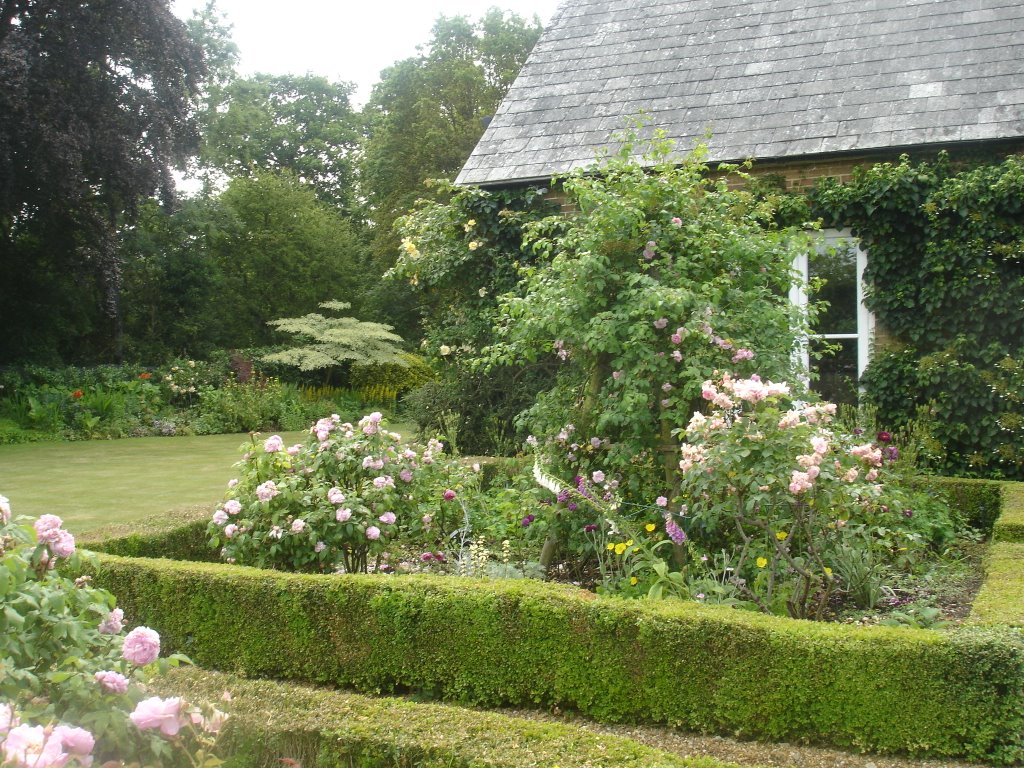
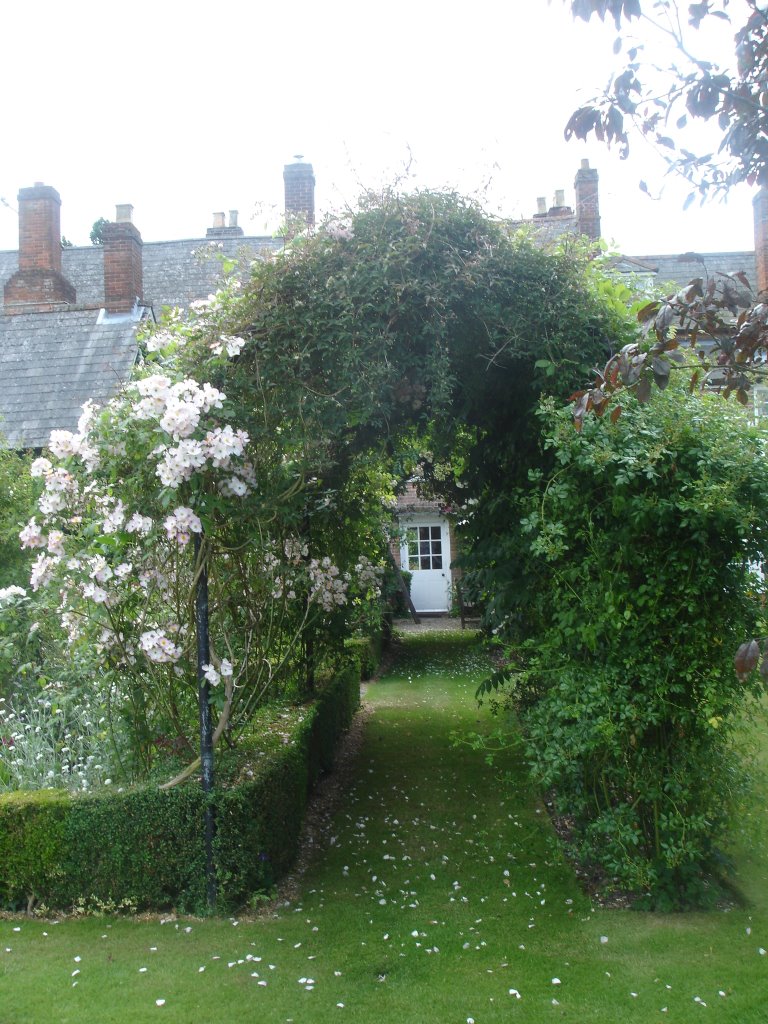
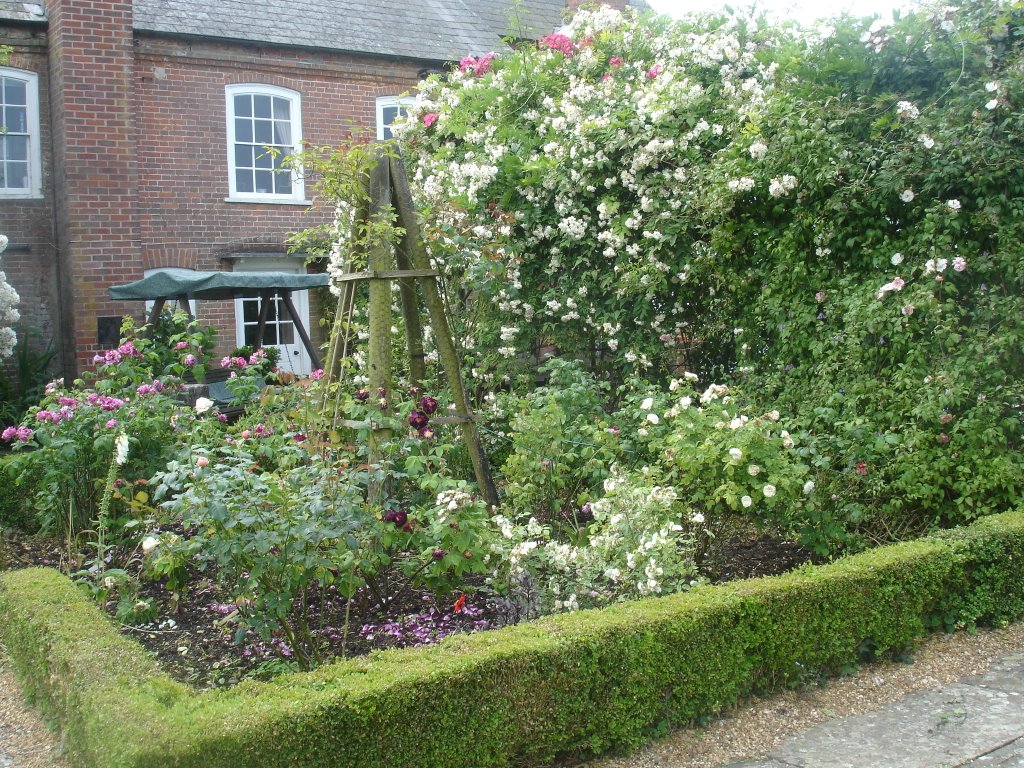
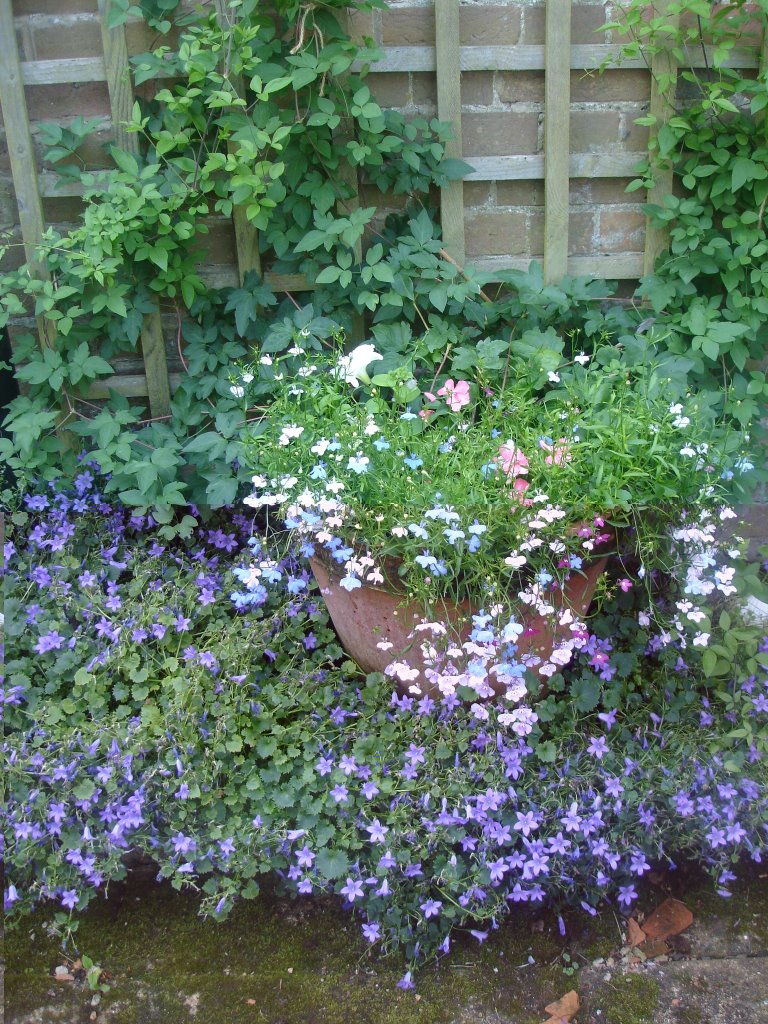
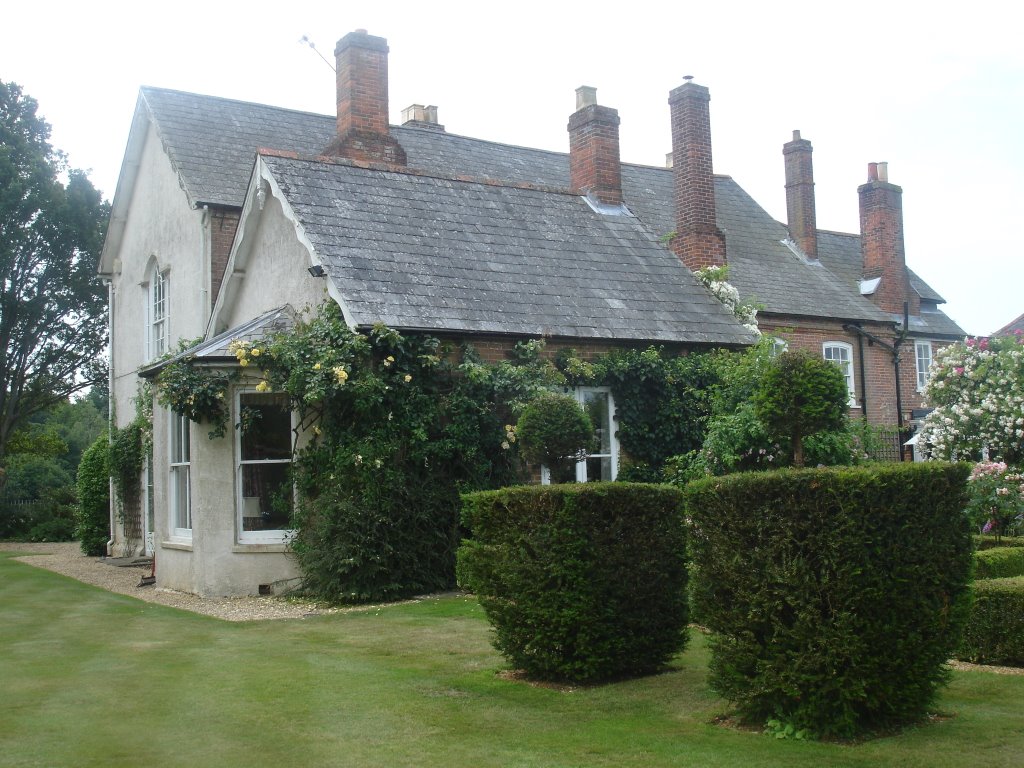
Fritham Lodge in the New Forest has a beautiful flower garden, packed with old fashioned English roses. It was opened to the public through the National Gardens Scheme on the afternoon of Sunday, June 27, 2006. The house, which is not open to the public, was originally built in 1635 for Charles I as an old hunting lodge, although it has been centuries,


Hampshire Society and the Hampshire Chronicle, the local paper describes Fritham Lodge:

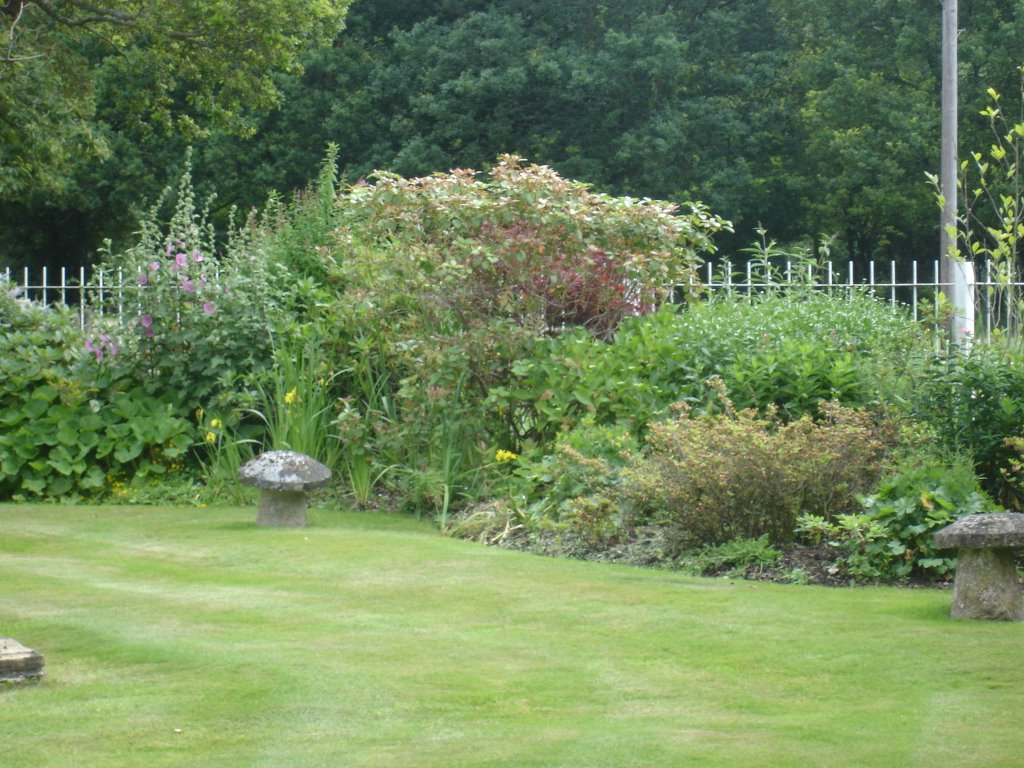
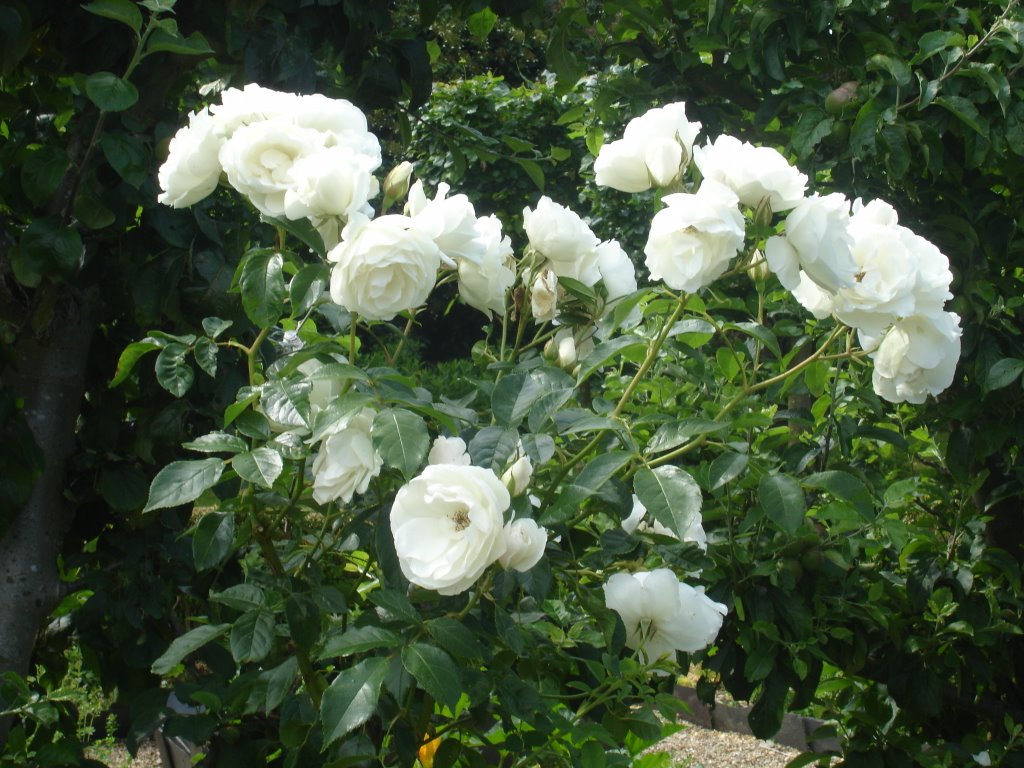
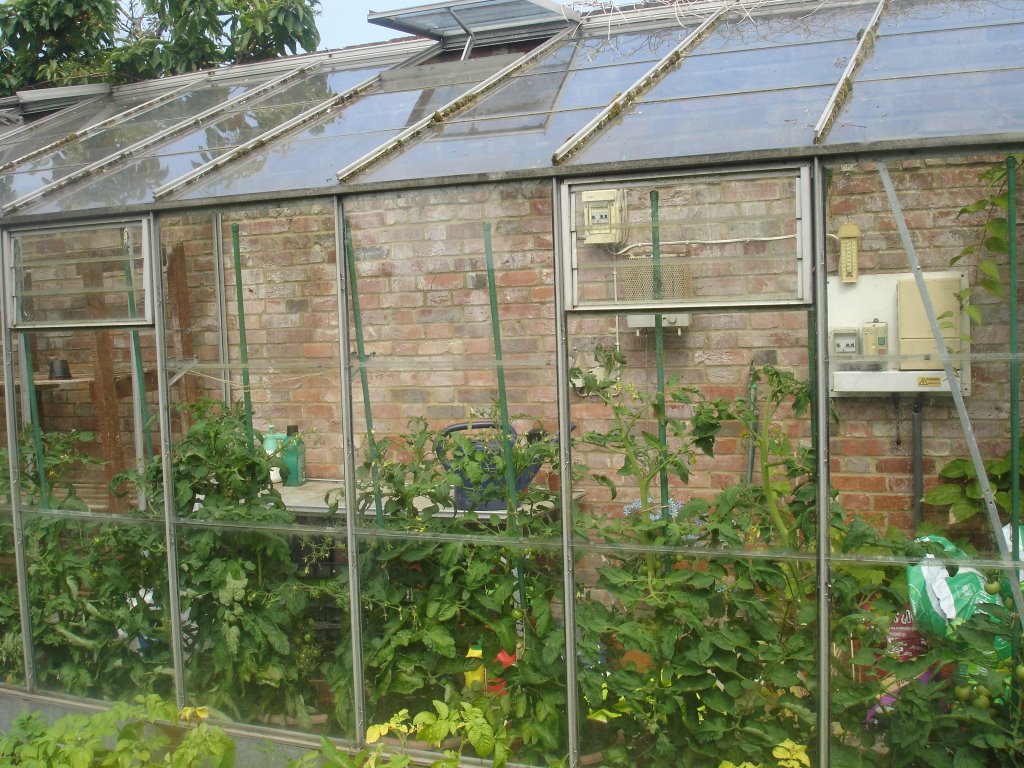
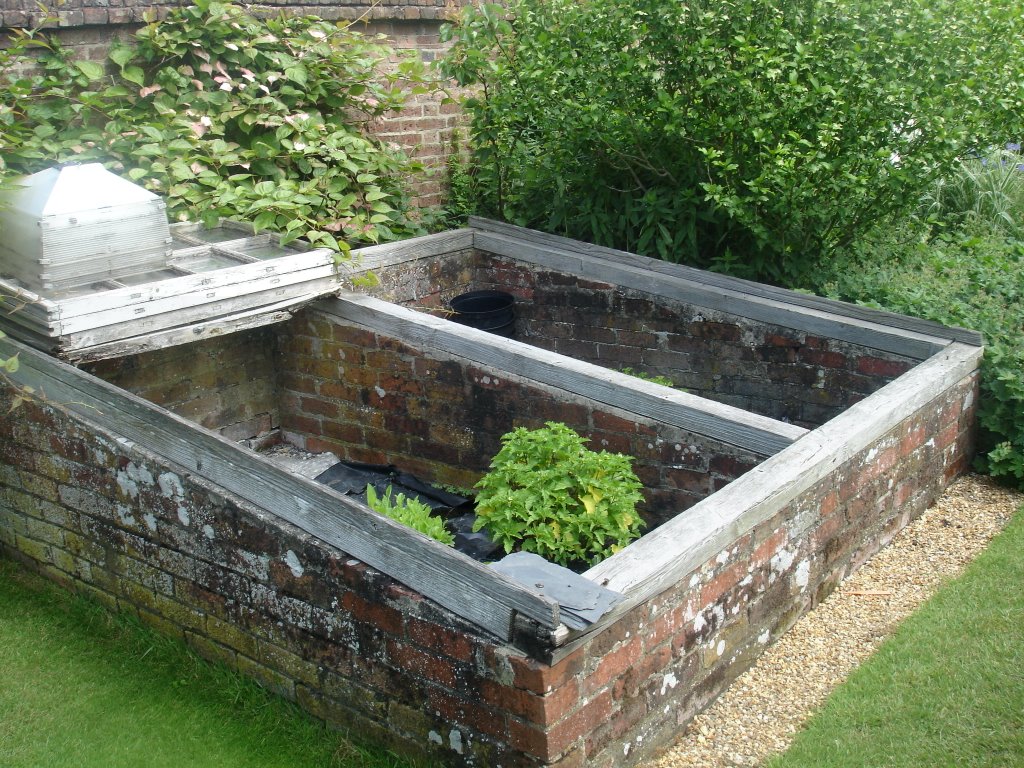
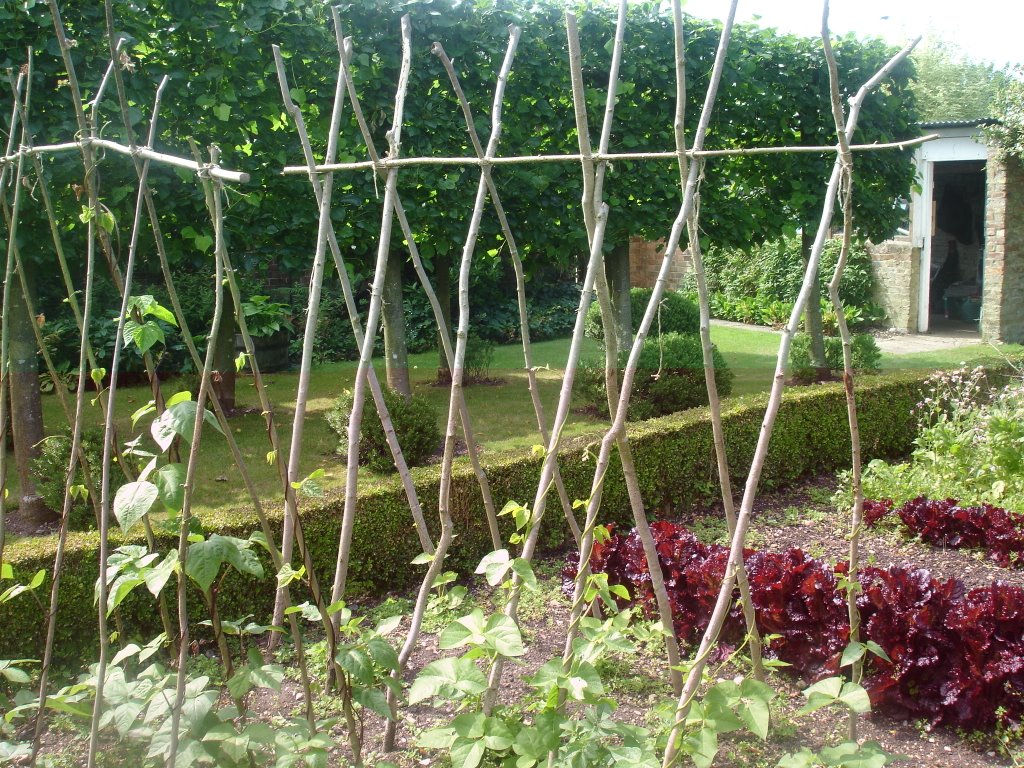
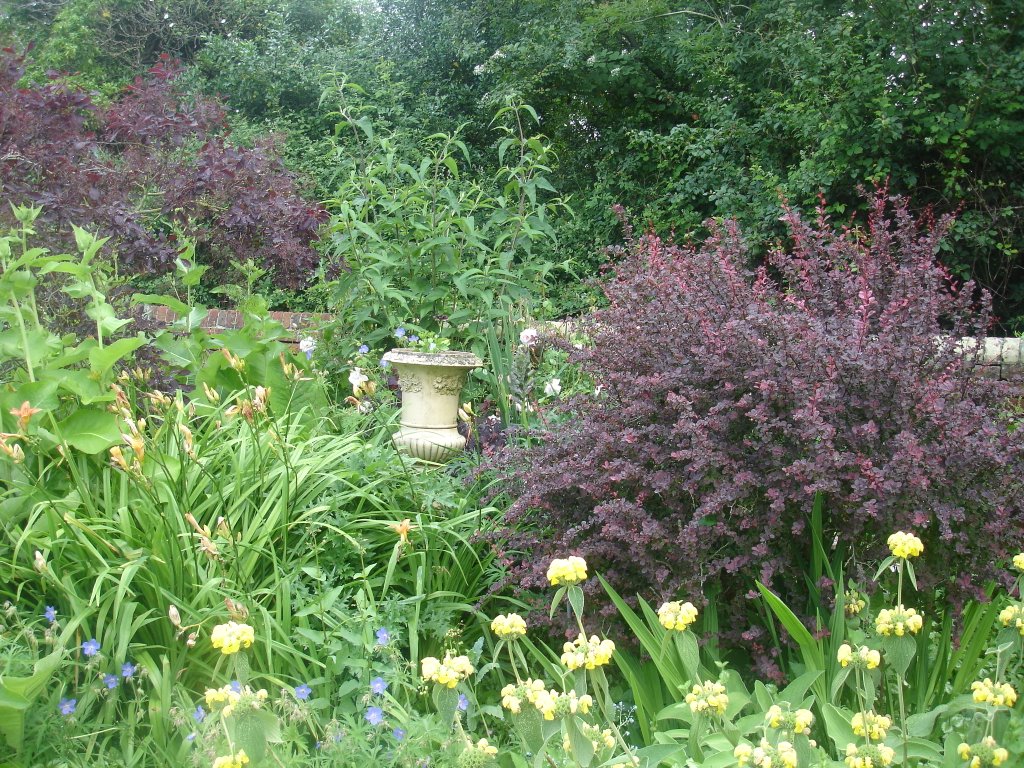
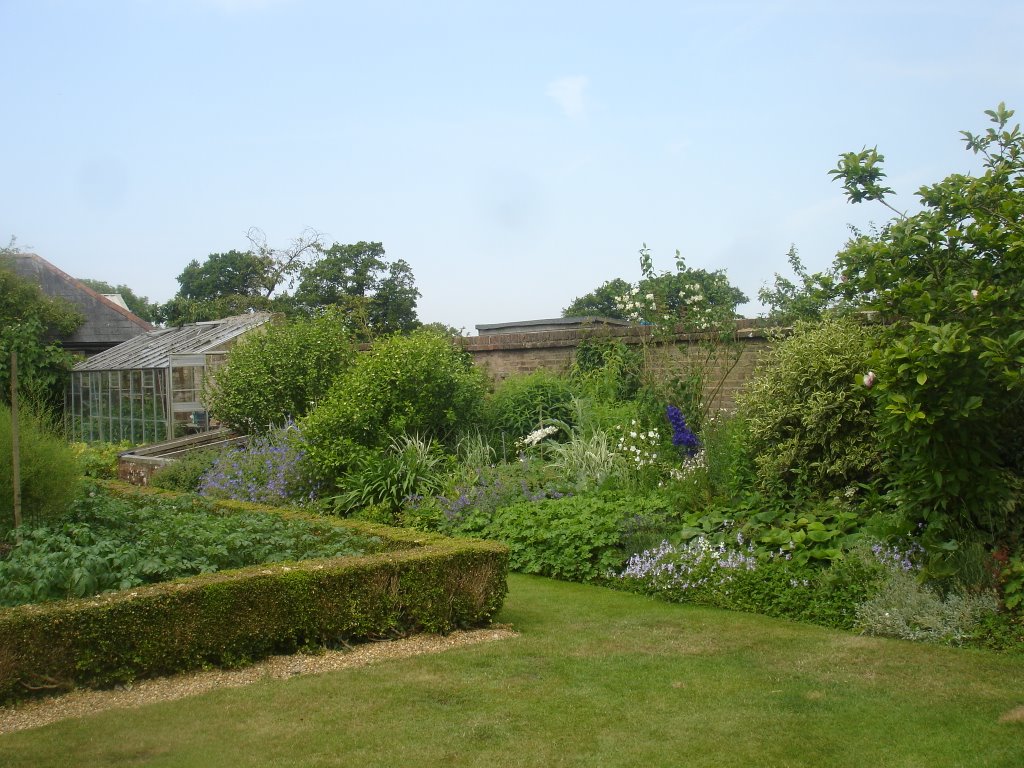
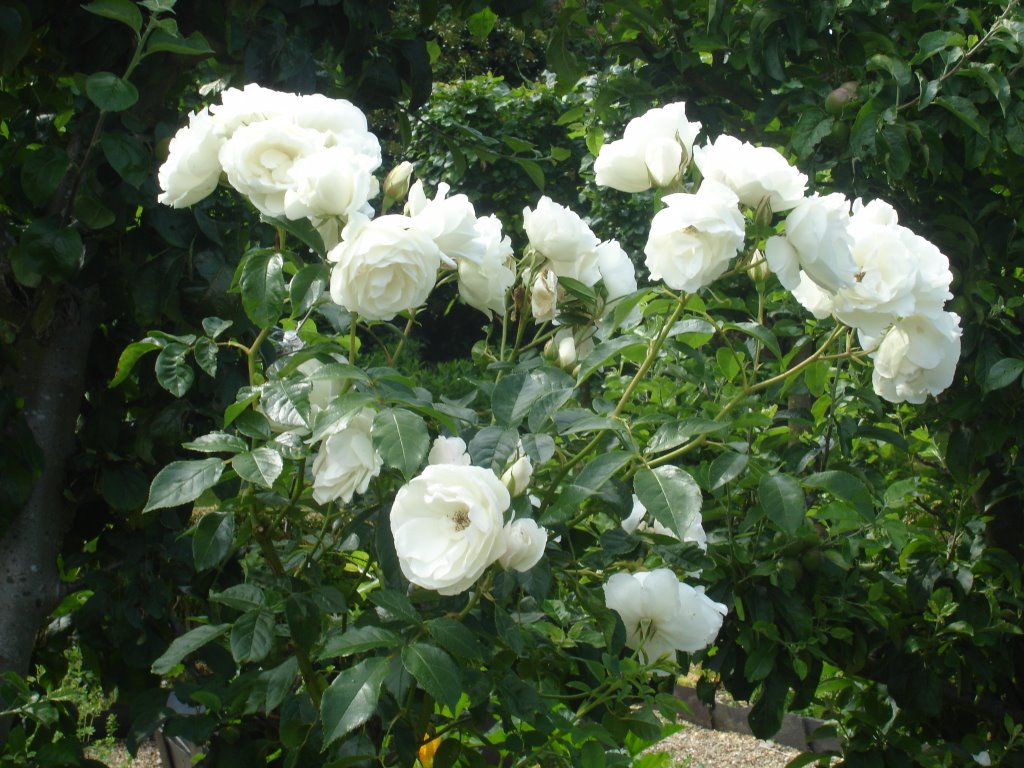
Fritham Lodge is now home to keen gardeners Chris and Rosie Powell, who have gone to great trouble to create a garden to suit the house. A formal design marked out with neat box hedges is filled with old fashioned roses and many other country garden plants, to create a period effect. There is a croquet lawn at the side of the house, with a luxuriant herbaceous border, an avenue of pleached limes underplanted with hebes and a wonderful old-style potager, with trained fruit trees, vegetables and herbs, plus two symmetrical rows of white-flowered Iceberg standard roses.


Visitors are also welcome to venture out through the gate at the bottom of the garden into the 17 acres of open land beyond. There is a mowed walk through the hay meadows, leading down to a copse and a small New Forest stream – a real taste of the countryside, with wild flowers and bird song.


Ambling through the garden, every view or angle presented a different perspective of the Powell's hard work and genuine passion for their garden estate.


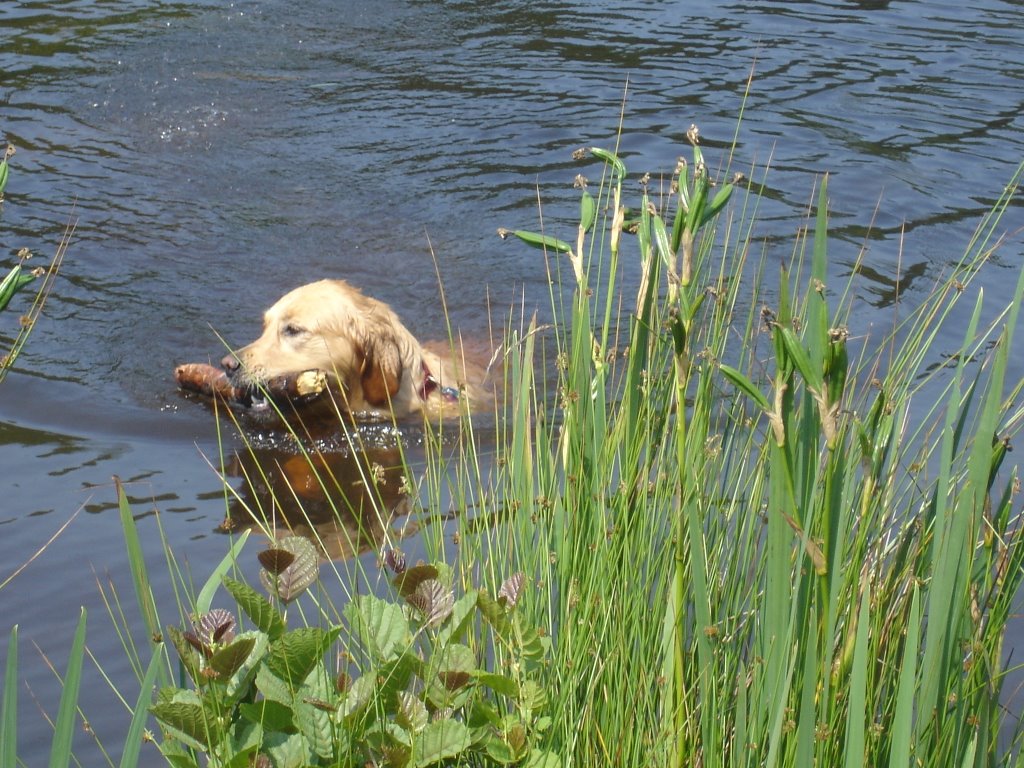
Rosie and Jean along with Sky, Shannon, and Arnie, walked our legs off through a delightful tour of their property through and into the New Forest and Eyeworth Pond.


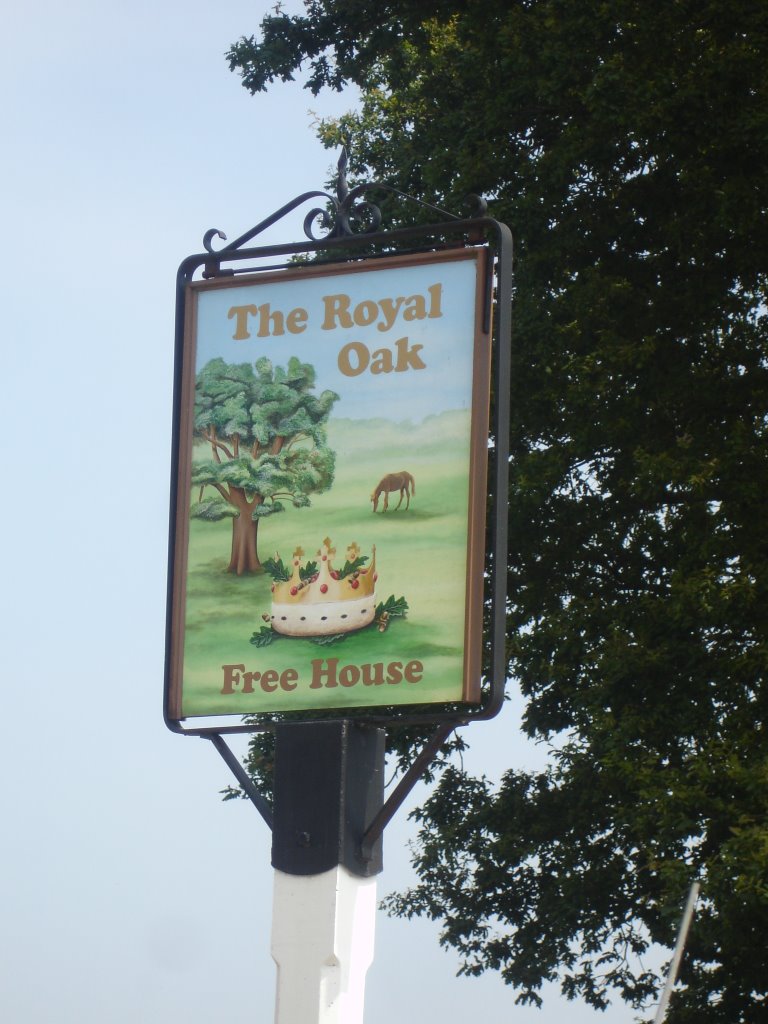
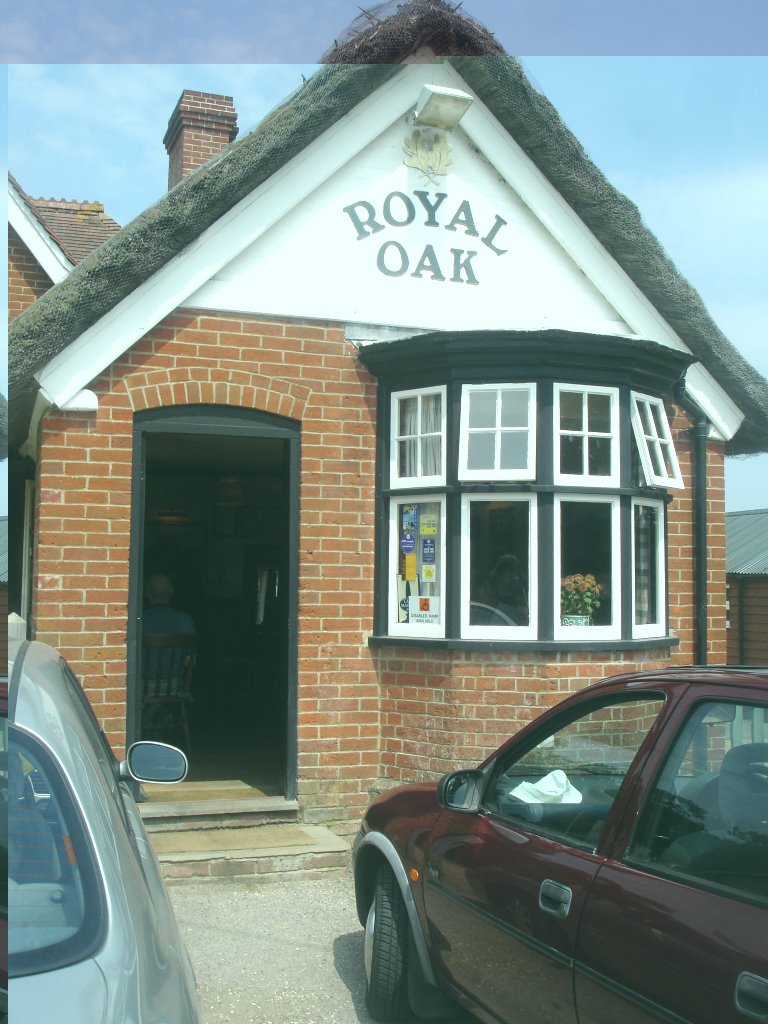
After the walk, our generous hosts treated us to a delicious lunch at the Royal Oak, a local pub with inside and outside dining for dog-lovers and their pets.


Except for Shannon and Arnie, who are used to settling to just sniffing culinary scents from the garden gate or the Rover crates.

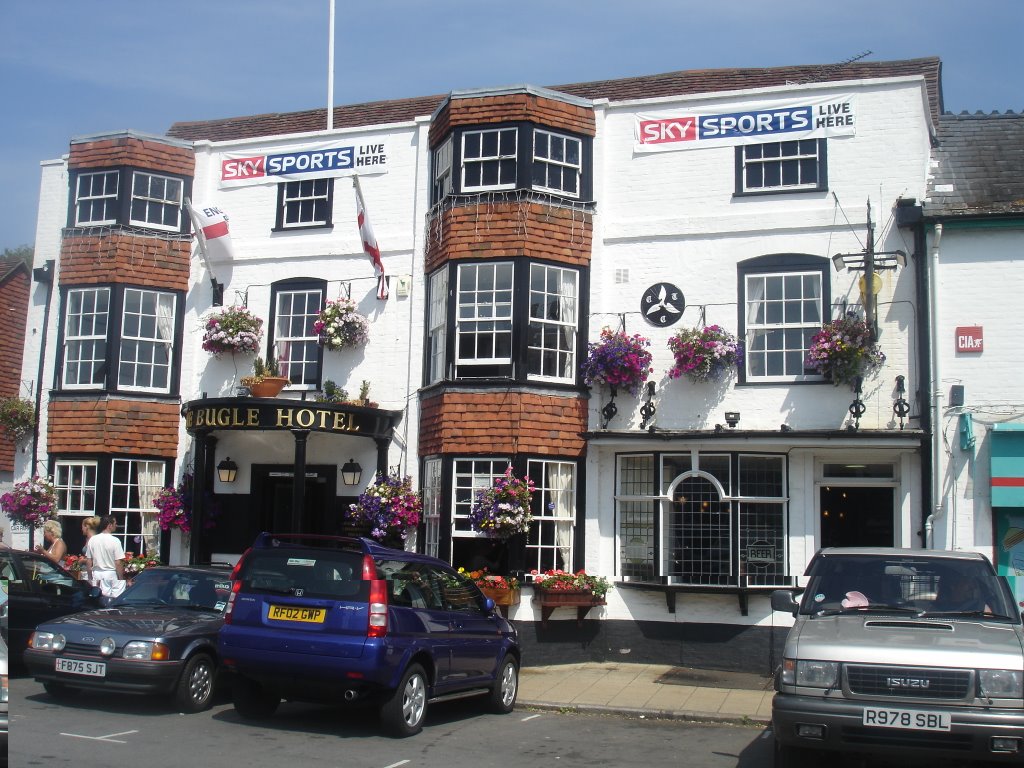
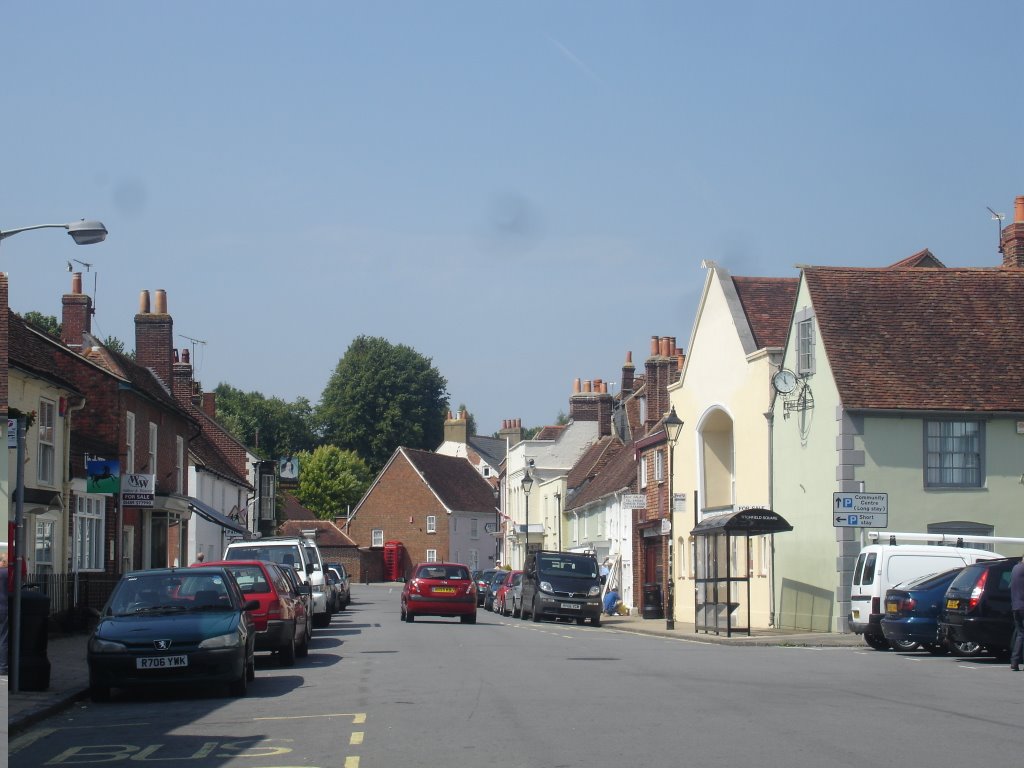
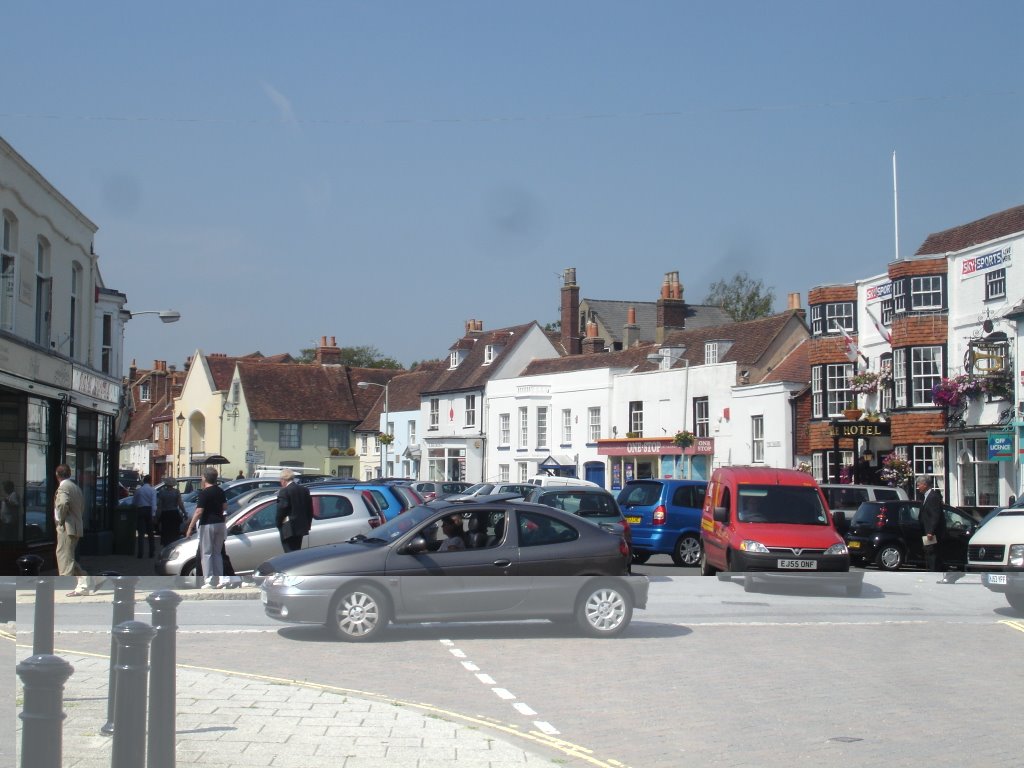
Downtown Titchfield is a pretty little village with quaint hotels, shoppes, and leaning houses.


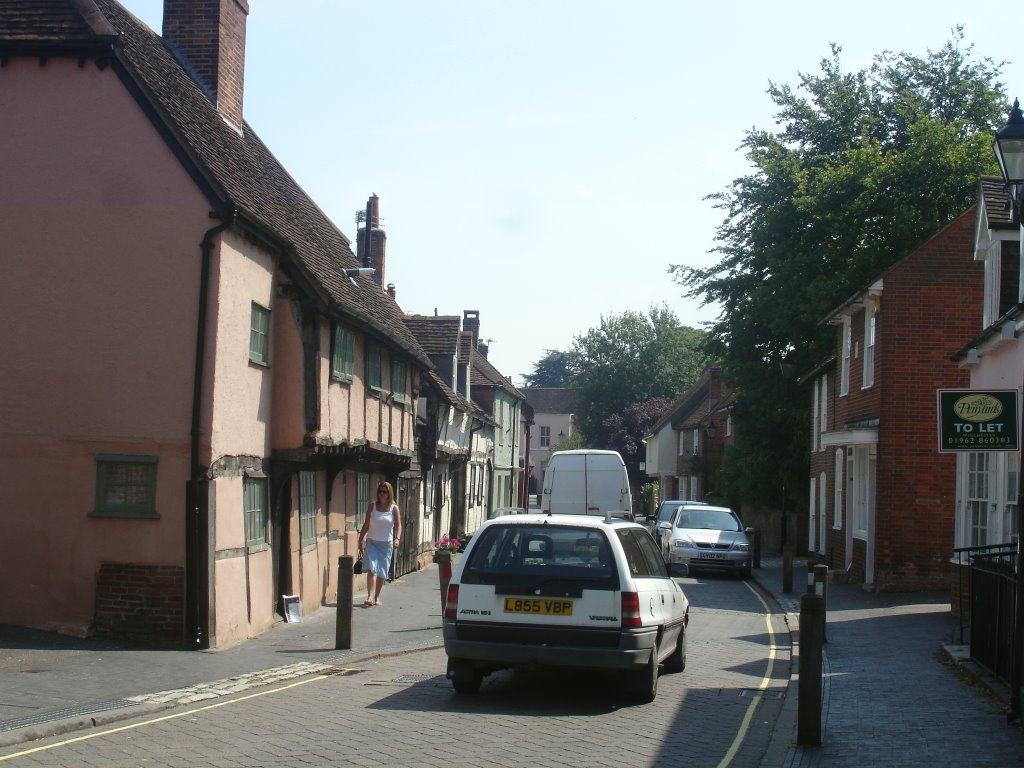
The streets are so narrow that the two laned roads can only accomodate one car going in one direction at a time. The city council hasn't heard of eminent domain yet, I think.


British drivers have no fear and park anywhere, even on the sidewalk. The next two pictures were taking within 30 seconds of each other.


What a wonderful day we had with my sister and Rosie and Chris Powell. You can view all 200 + photographs of Fritham Farm here. I came away inspired and in awe of another gardeners' vision and design. I even came to the exciting realization that I still have plenty of room in my own Florida cottage garden border to stick more flowers and plants.
Magic - just magic.
Previous posts: