This is an article I wrote and published on
ICanGarden.com Aug 2007, that I've updated and added new landscape photographs. Enjoy.
 |
College Park, Orlando Florida Cottage Garden
|
Whether you are a gardener or not, strolling along a meandering pathway through fragrant rainbow-bannered flowerbeds, dappled with ‘out of the ordinary’ ornamental surprises around various twists and turns, is one of the most delightful experiences anyone can have. Texture, variety, fragrance, color and serendipitous opportunities in English cottage gardens provide a memorable and soulful experience for the neophyte green thumb and expert landscaper alike.
A beginning gardener can be overwhelmed and only imagine the hard labors that the cottage gardener went through while designing. The Master Gardener knows how many hours and years of sweat and preparation it took to eventually produce such an exquisite yet chaotic fantasy-filled garden. Cottage gardens first appeared as necessary areas on farms to grow herbs and vegetables for individual tenants who worked the vast farms. As the peasant began to rent or own their land, the natural extension of planting flowers and adding beauty also extended to the cottage’s surrounding foundation. European cottage gardens have an aesthetic appeal that to most people it looks like every plant, flower, and visiting creature just happened to appear on its’ own naturally. The gardens seem to just sprung up without any apparent design and happen to thrive in cooler climates; but with a little research and planning on your own zone and microclimates, you too can have a beautiful, simple, low maintenance cottage garden in Florida.
The first step in planning a cottage garden is to understand what they are. Cottage gardens are to landscapes what George Seurat’s pointillistic paintings are to art. Some artists, like Paul Signac, during Seurat’s lifetime considered his paintings ‘messy’ and complicated but his critique of his final completed artwork was that Seurat’s paintings were masterpieces. These paintings incorporated minute individual dots blending a variety of shades and colors in harmonizing sweeps to create natural compositions and display scenes or events that when viewed as a whole were stimulating and filled with energy.
 |
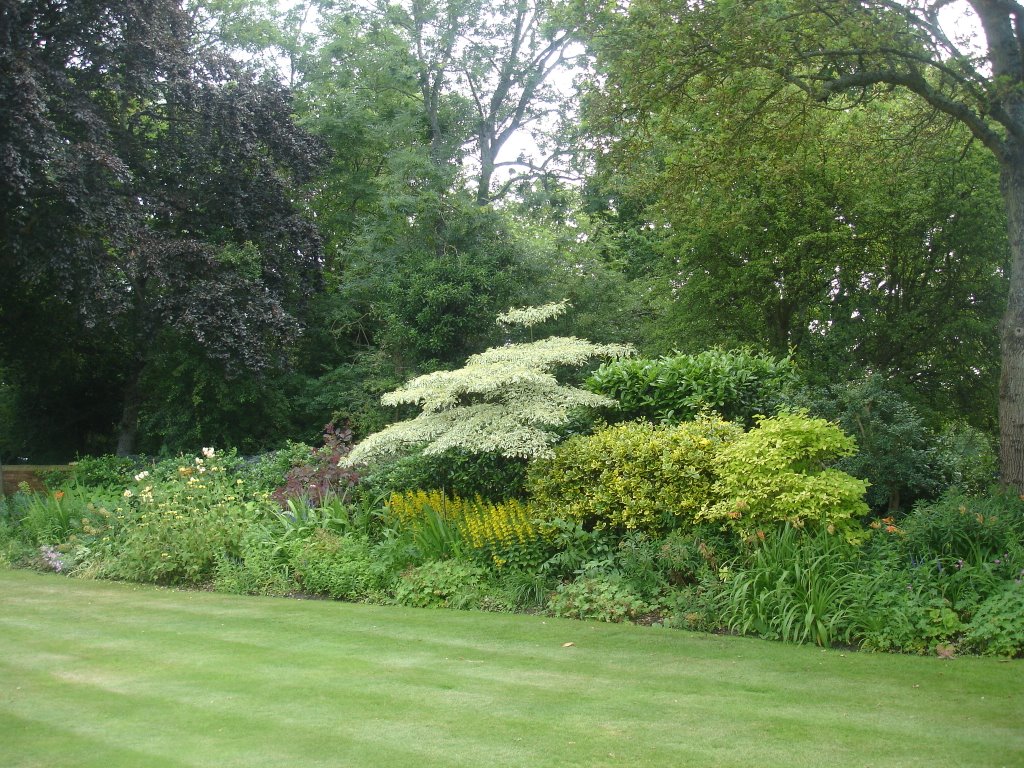
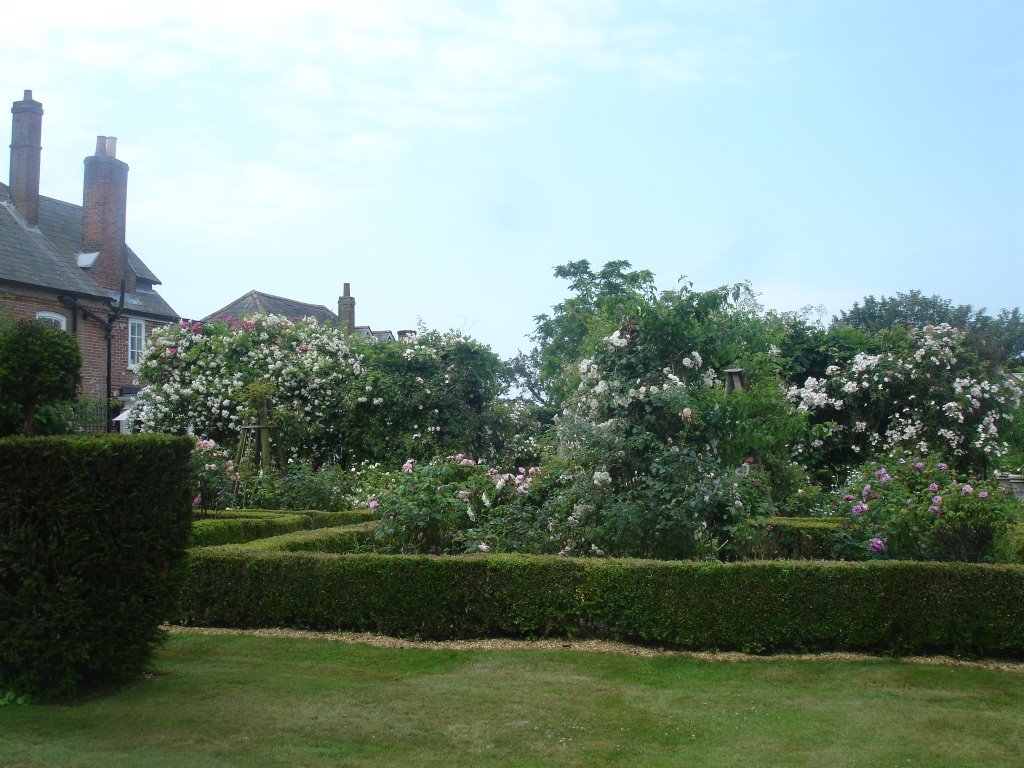
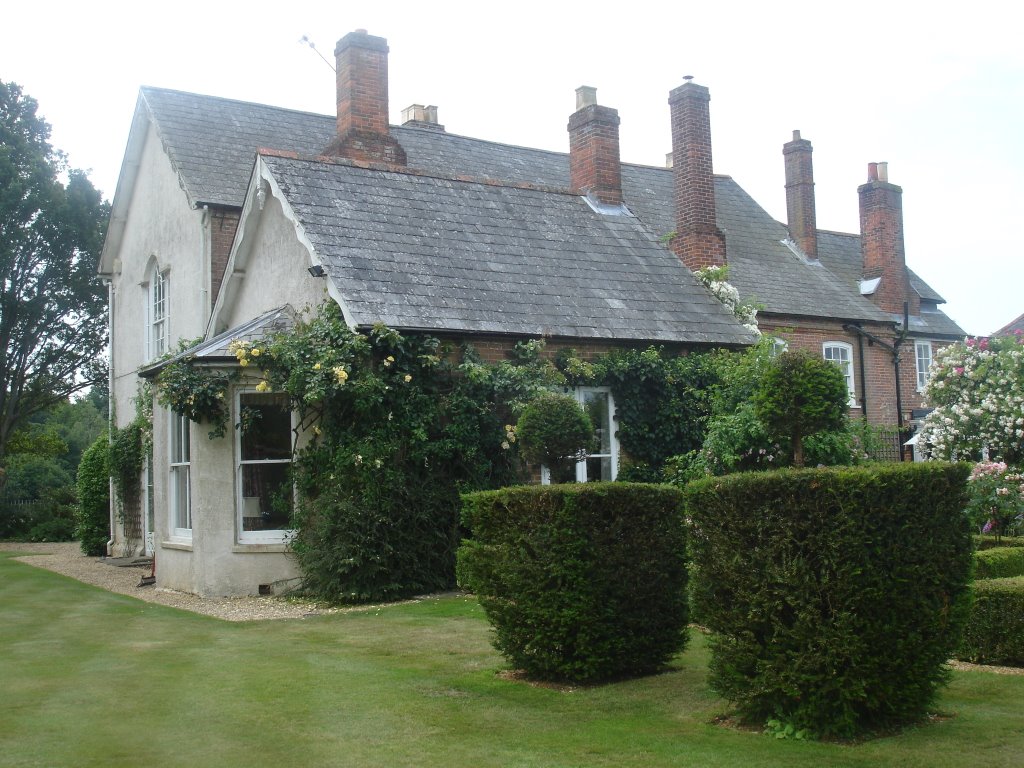
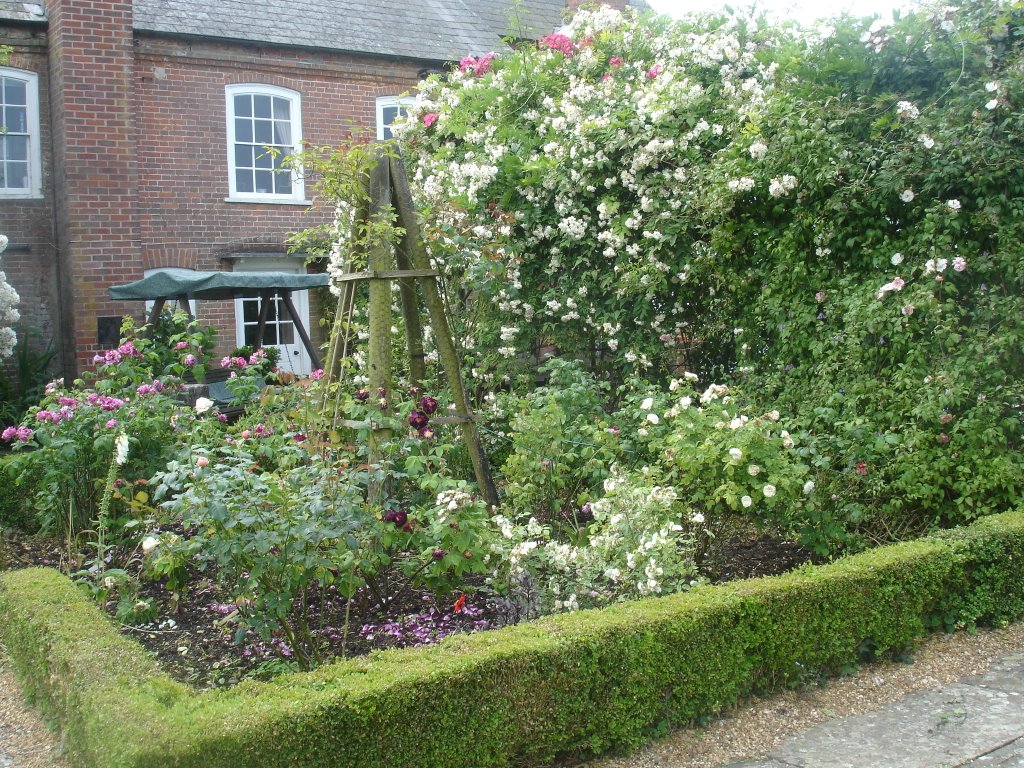
| English cottage garden. |
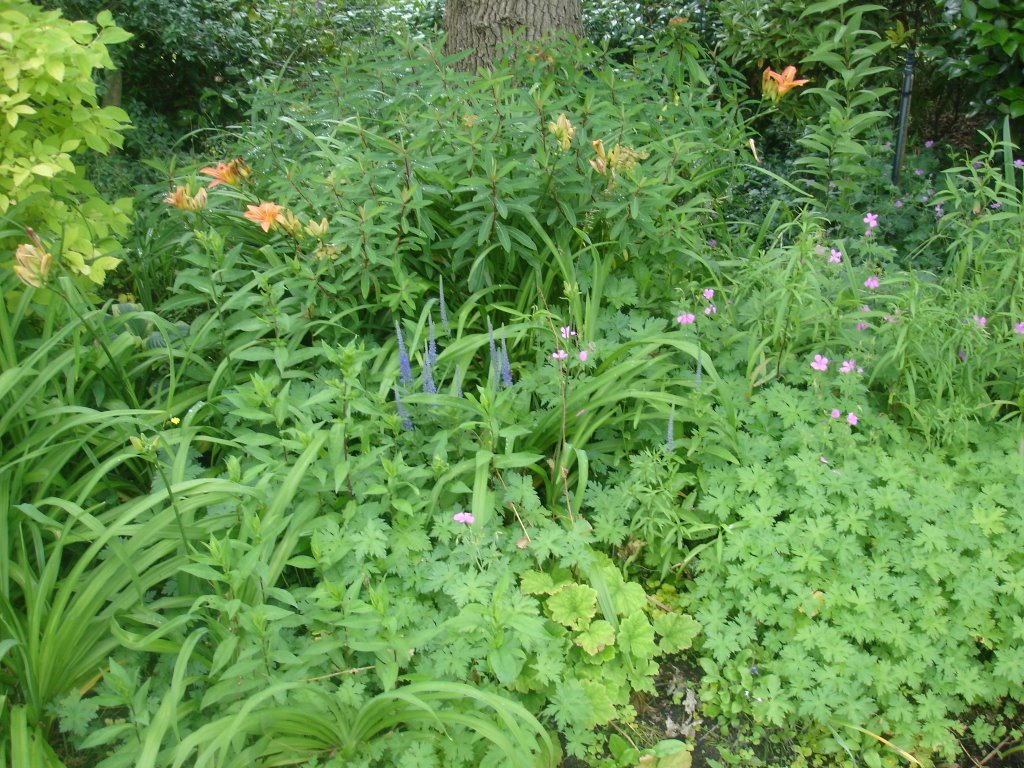
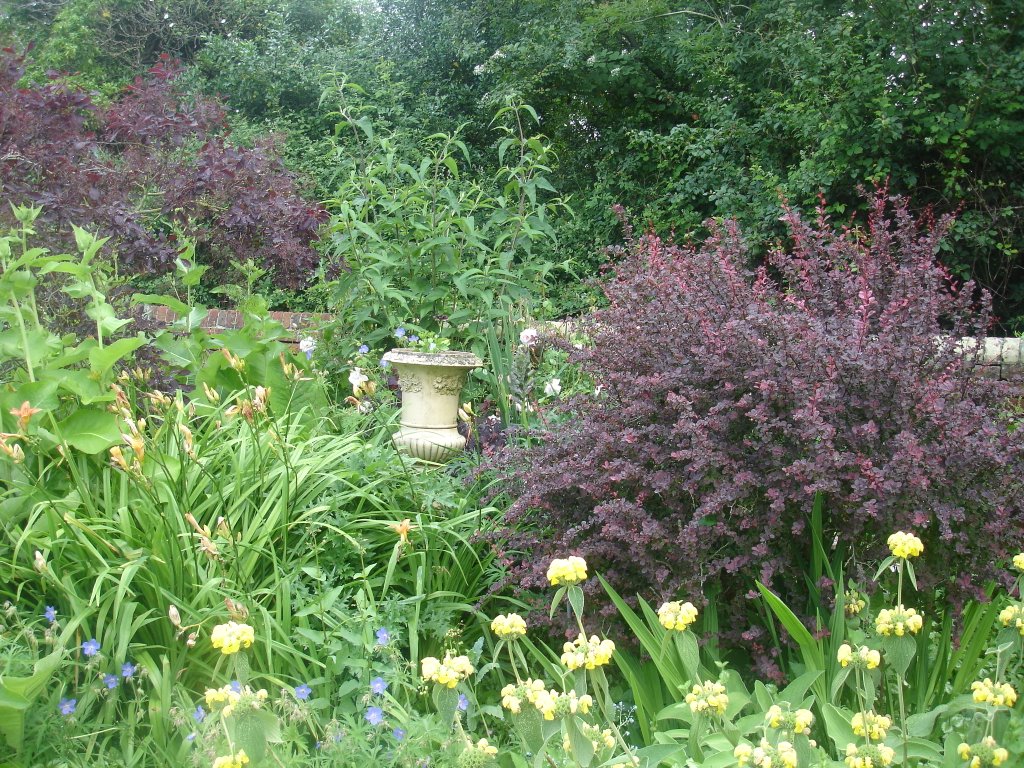
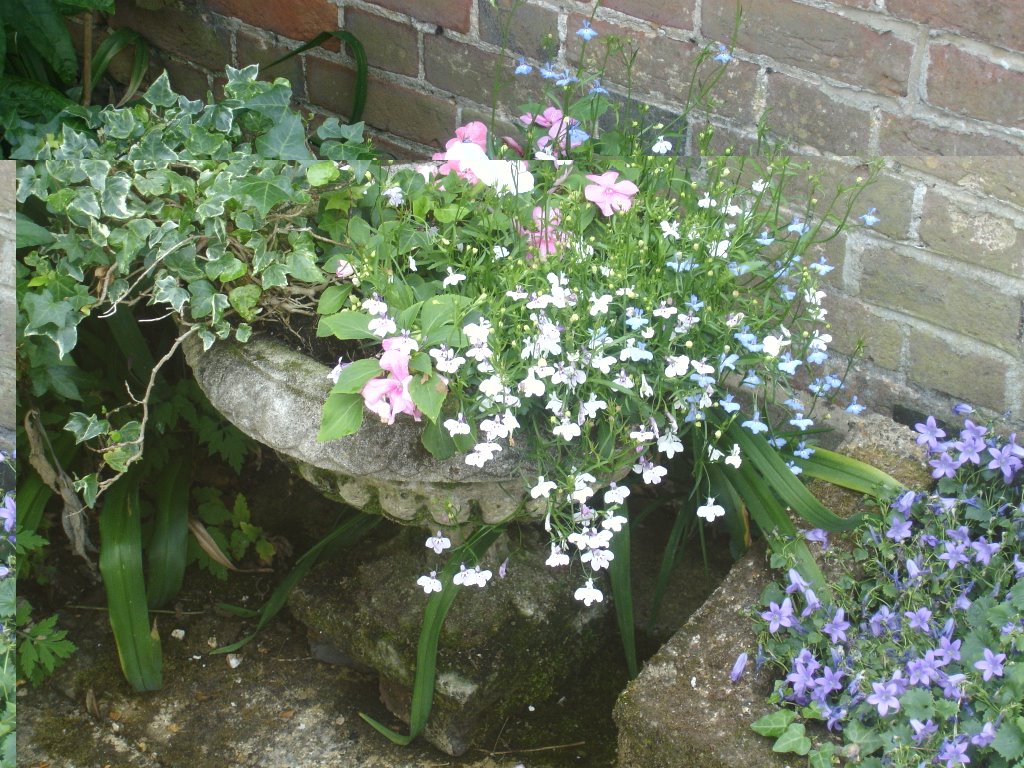
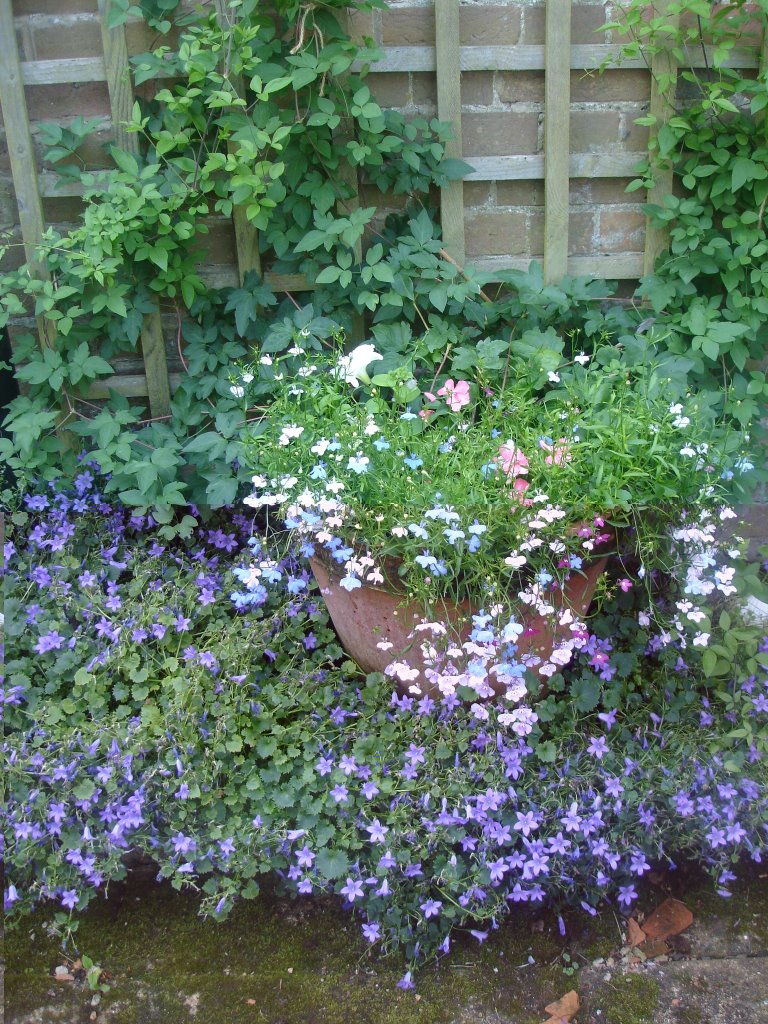
Cottage gardens, can look messy, weedy, chaotic on your nerves, and be hard to keep under control; but if planned correctly from the beginning, they can be breathtaking, attractive, low-maintenance, eco-friendly gardens, where earth’s creatures can feel invited, relaxed and welcomed. Cottage gardens need to be well thought out though in the planning stages as to your ultimate purpose in having it as a landscape. Whether it is attracting birds and butterflies, having a cutting garden to enjoy flowers indoors, or using your yard to have a colorful xeriscaped lawn with low-maintenance in mind, your cottage garden can have one or all these goals incorporated in one landscape design.
 |
| Florida cottage garden |
Once you have established your goals, you can begin to select the design shape and your palette of plants. Here in Florida, many new residents pine for their Northern gardens and automatically assume that they cannot have them with our tropical climate. Au contraire, gardening enthusiasts — once you know the plant species you would like to use, then select a similar tropical zone shrub or flower to plant in its place! Take any zone landscaping design and their plant list, find those individual plant specifications of mature height, flower color, leaf texture, sun and moisture needs and then imitate those same requirements with a Florida-hardy plant. Take for example northern lilacs: Lilacs are sumptuously tall, fragrant with flowers that herald in springtime up north. Lilacs do not grow in zones 8b through 11b, but if you research Florida gardening books, or ask your favorite Florida Master Gardener, you will find that butterfly bushes, buddleia spp., resemble lilacs, come in multiple colors, and lend height to your garden beds. They are also fragrant and attract butterflies, as the name honestly implies.
 |
| Butterfly Bush, Buddleia spp. 'Lo and Behold' |
Another favorite Florida tree that can substitute for lilacs is the non-native crape myrtles, with dozens of colors, heights and blooming seasons. Crape myrtles love the sun, are drought tolerant once established, and need very little maintenance, not even yearly heavy pruning.
 |
| Rain lilies |
.jpg) |
| Zephyranthes spp. in my yard. |
 |
| Rain lilies in my yard |
Cottage gardens in the springtime have a variety of colorful, blooming bulbs, like the beautiful crocus. Floridians can enjoy springtime blooms all summer long if they plant pink, white, or yellow rain lilies, zephyranthes spp instead. Immediately after a rainstorm, these sweet flowers pop up without cajoling to naturalize in your landscape, having no pest problems and needing no maintenance. They truly reflect a joyful English albeit tropical cottage landscape.
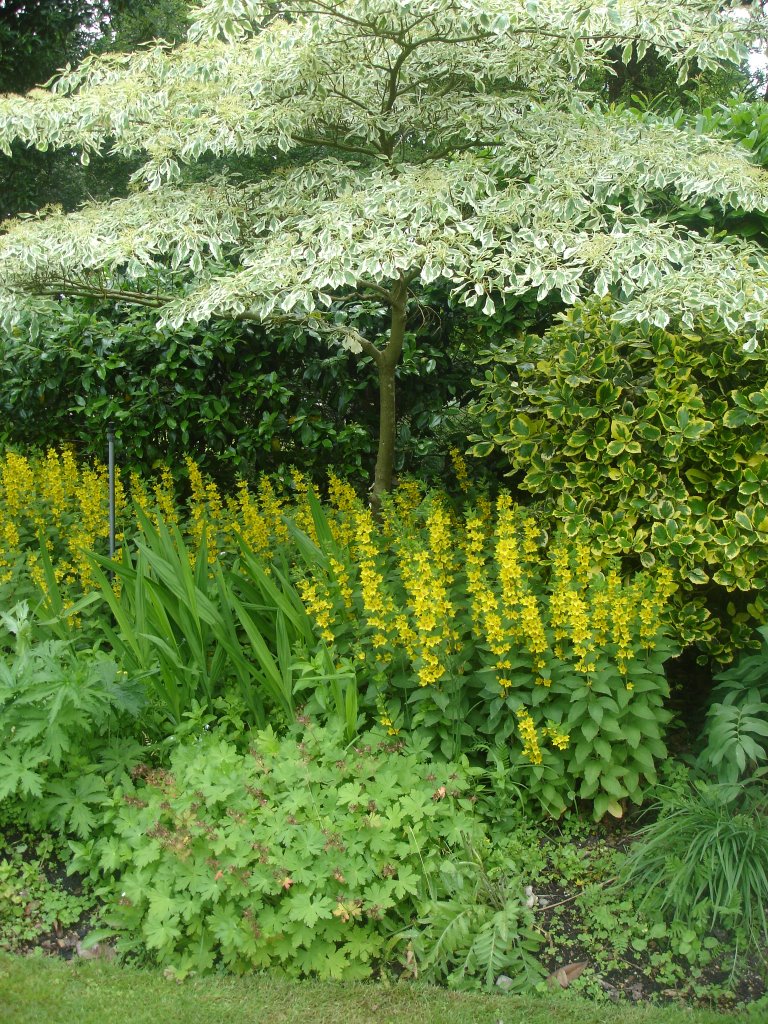
To create the flowing shapes and textures found in cottage garden designs, incorporate flowers and shrubs that easily self-seed so that the plants volunteer the next season in other areas. Sprinkle any flowers that you deadhead throughout the seasons into beds that you would like the plants to spring up. Use specimen and foundation plantings sporadically in the center or back of any border gardens to create depth and height. A specimen planting is the use of a single shrub, tree, ornamental grass, or topiary that is striking in foliage or flower color, shapes, unusual foliage texture, and adds height such as a multi-level pruned shrub. The longer your cottage garden is, the more specimens you can use, but remember: the smaller the garden area, frugality in the amount of specimens is better.
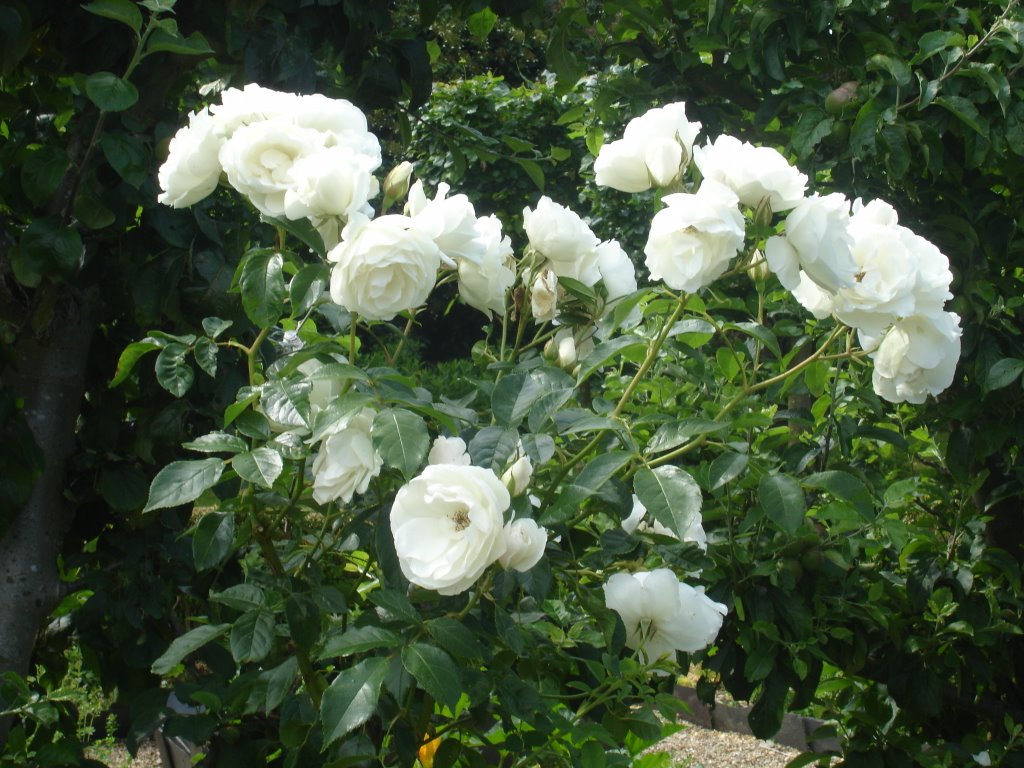
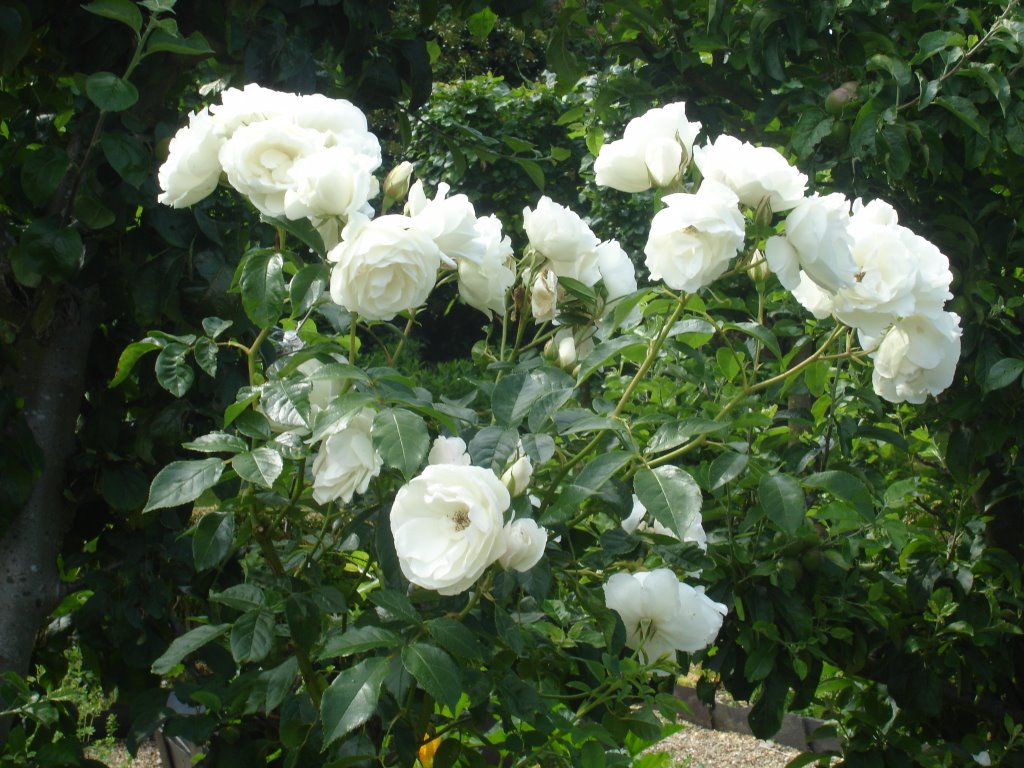
Cottage garden flower colors range from assorted rainbow colors or your favorite monochromatic color, such as all blue flowers and blue-hued leaves, or an all-white garden popularized by Vita Sackville-West at Sissinghurst Castle. Even though the Sissinghurst ‘White Gardens’ had a singular color name, Vita employed various shades of creams, greys, and lighter green flowers and plants into the garden.
 |
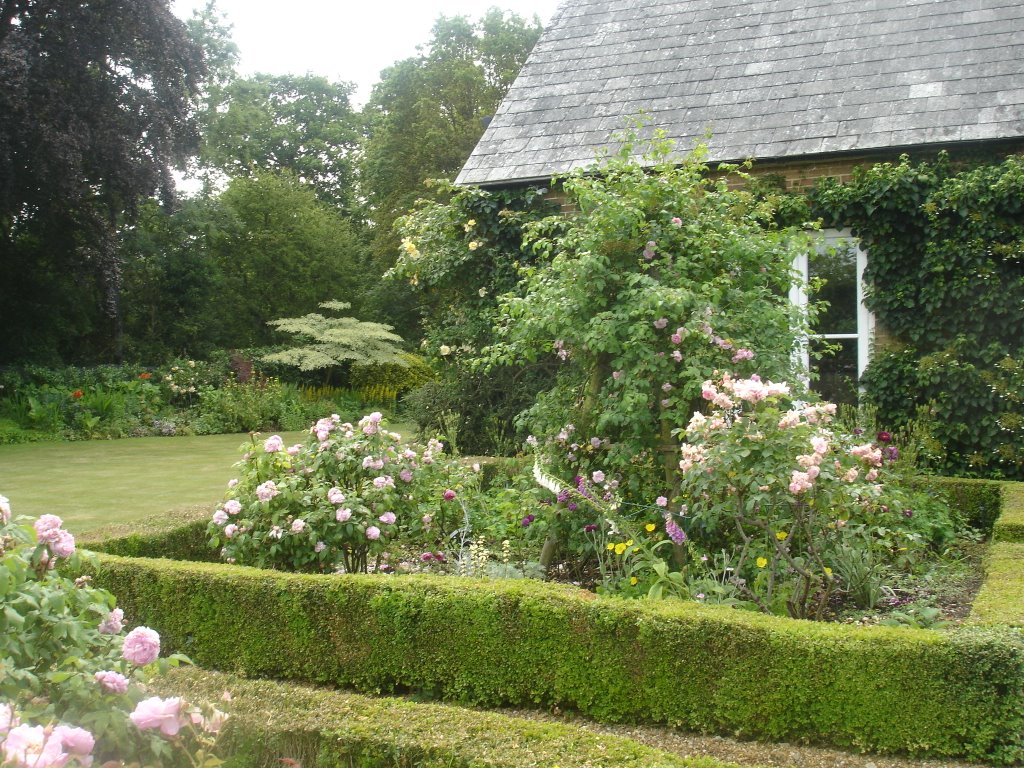
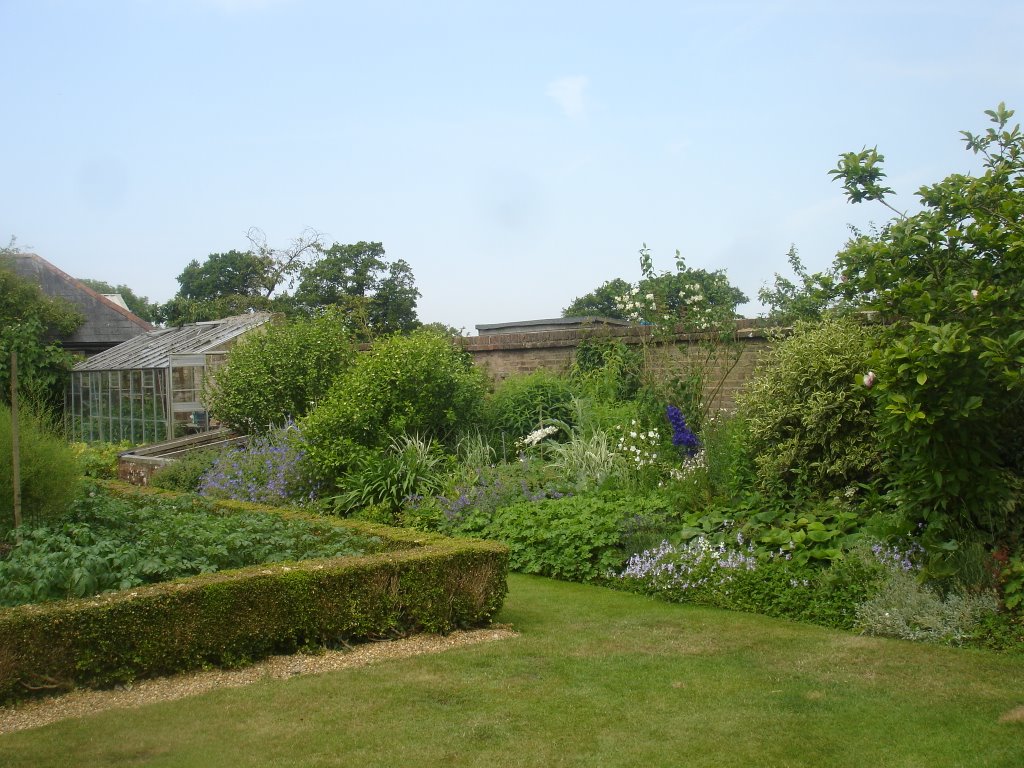
| Formal cottage garden |
When planning your cottage garden, use the amount of plants based on their mature width. This is not the time to plant every inch of your landscape. Allow the garden to fill in naturally over a few years. If you overplant with lots of high maintenance flowers, shrubs, and trees, you will find yourself with a lot of pruning, frustration, and possibly removing these same plants in the future. As your cottage garden matures, you can always fill in seemingly empty nooks and crannies with annuals, summer bulbs, and groundcovers.
 |
| Stones add the perfect cottage touch. |
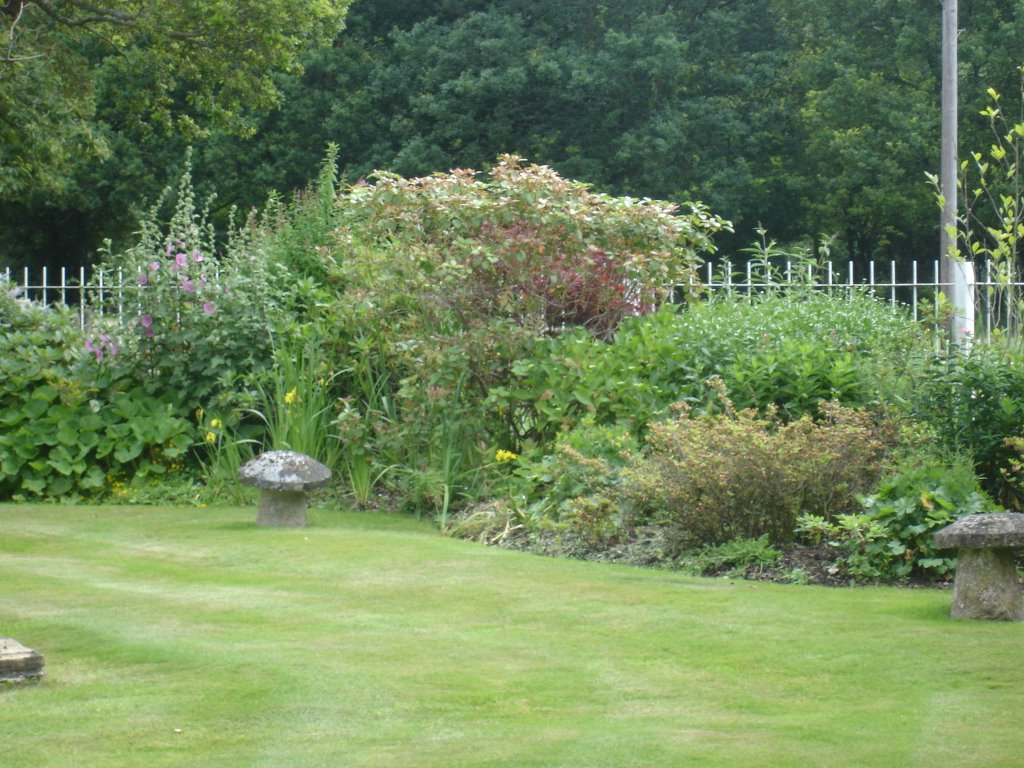
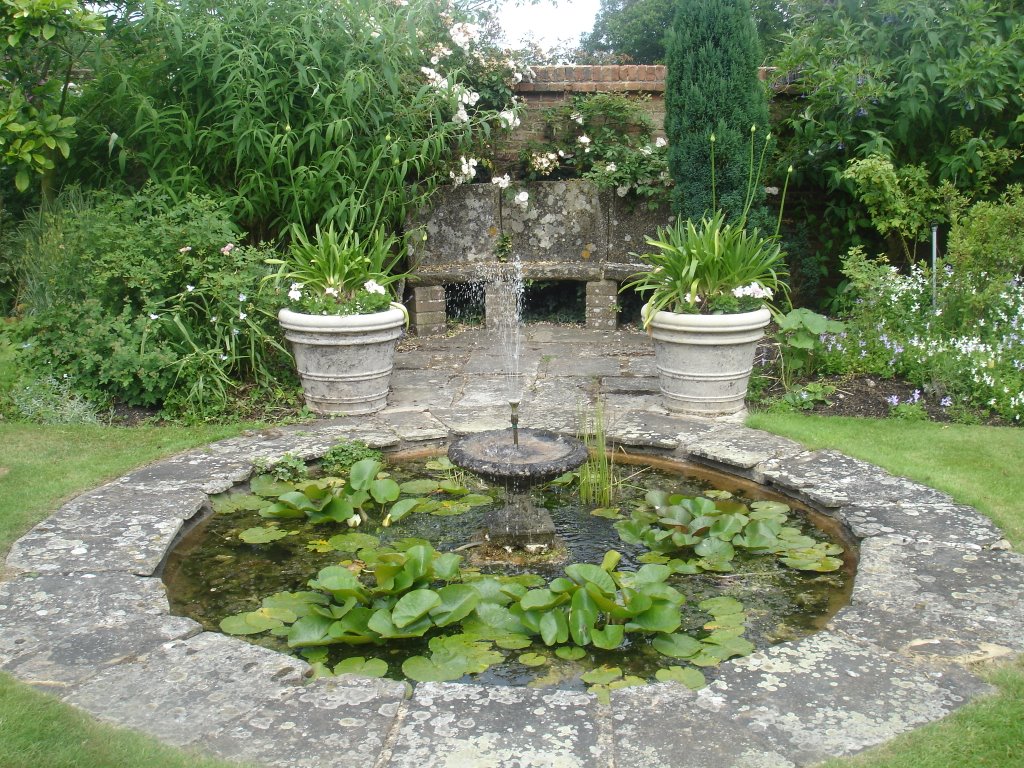
Finishing your cottage garden setting, you may want to add stones or pavers to allow for a pathway or as hardscape borders. Classic accoutrements such as bird baths, obelisks, water fountains, whimsical bird houses or garden signs can be added.
Despite all the planning, substituting your own Florida native and non-native species, and knowing what conditions you are working with, creating a cottage garden should be free-flowing, spontaneous, and unique. Understanding the basics of cottage gardening, you can now go through any gardening book, magazine, or your favorite website, and no matter what zone they are designed for and with their plant palette, substitute your own Zone 8 –11 plant favorites, with similar colors, heights, flower and leaf shapes, that match your sunlight, soil moisture, growth needs for your own personal landscape design and presto — you will have your own individual Florida cottage garden.
 |
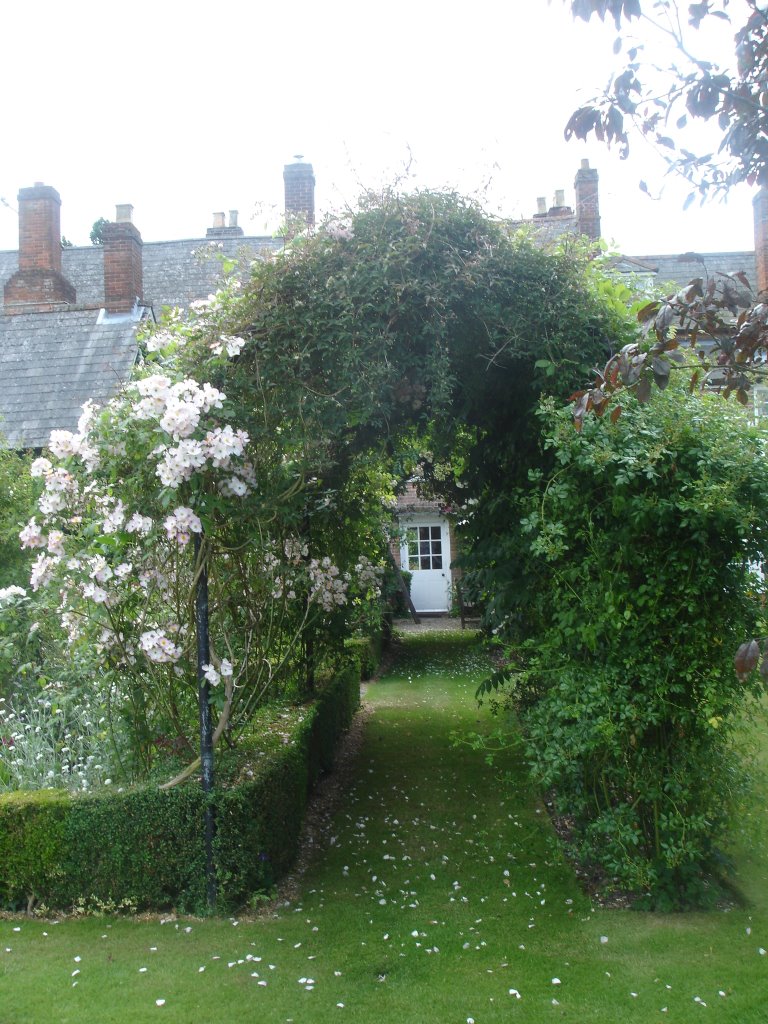
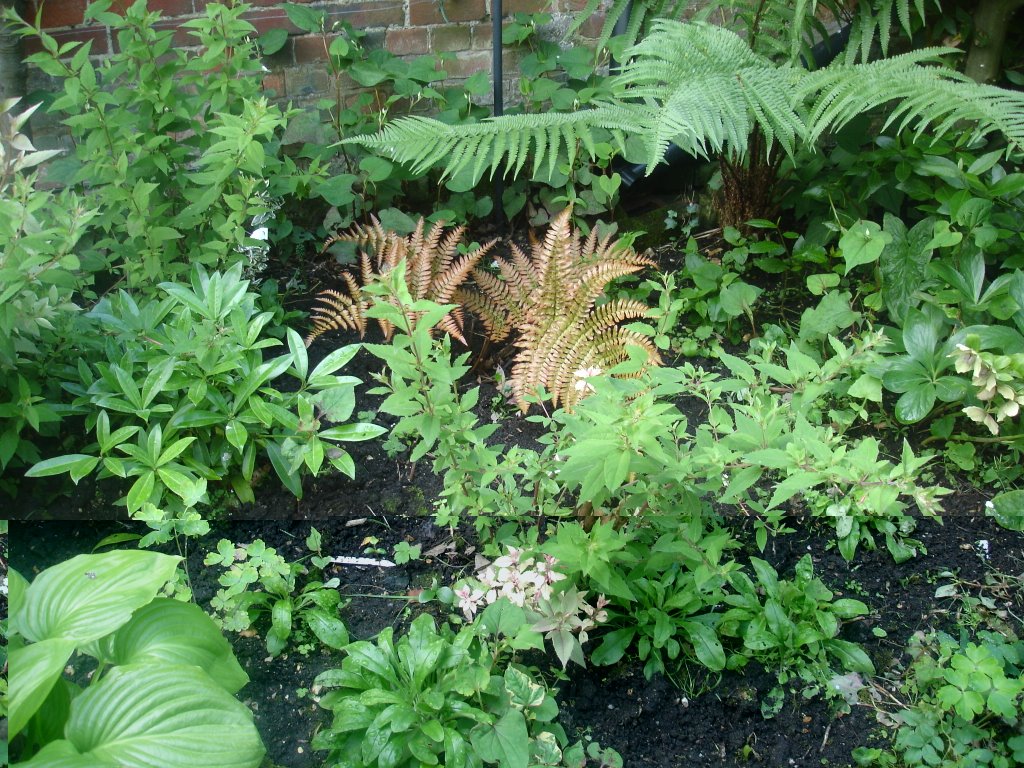
| Interest on every level. |
Resource to find the perfect plants for your yard?
Florida Waterwise Landscape Database http://www.sjrwmd.com/waterwiselandscapes
Teresa Watkins, Photographer All Rights Reserved 2013 


.jpg)